Does Copper Jewelry Tarnish? A Practical Guide for Gothic Jewellery Buyers
Jony ·
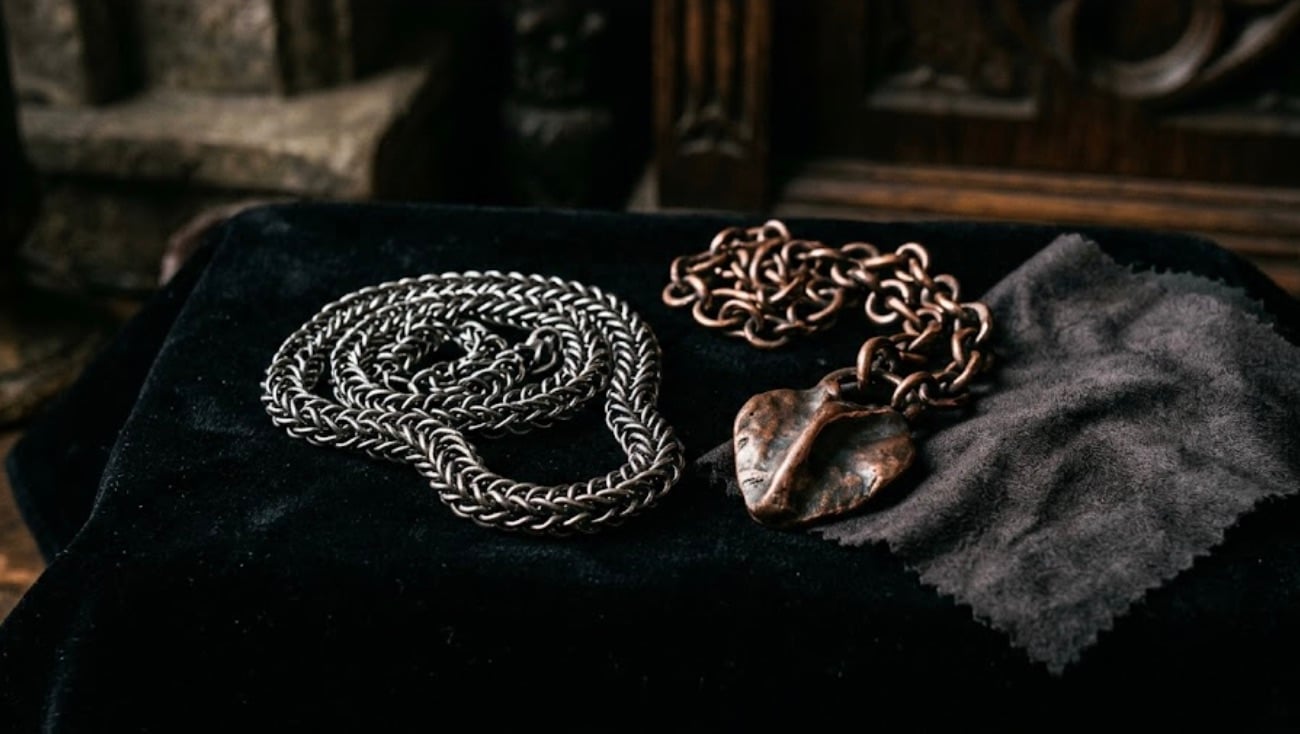
Yes, copper jewellery does tarnish — and that is completely normal.
Copper is a beautiful metal with a warm, reddish tone, but it is also reactive. Over time it can darken, dull, develop a patina, or leave a faint green mark on the skin. This is a natural chemical reaction, not automatically a sign that the jewellery is fake or poorly made.
For gothic jewellery, copper can look stunning when a design wants a warm, antique, oxidised or fantasy-inspired finish. But if you prefer a colder, brighter, lower-maintenance metal, stainless steel or other silver-tone materials may suit you better.
The Royal Society of Chemistry explains that copper jewellery can react with oxygen in the air and with sweat, forming green compounds that may rub off onto the skin. So the real question for most buyers is not simply whether copper tarnishes — it always can — but whether that changing surface fits the way you actually want to wear the piece.
Does Copper Jewellery Tarnish?
Yes. Copper jewellery tarnishes naturally.
Copper reacts with oxygen, moisture, skin oils, sweat, perfume, lotion and other everyday chemicals. Over time this can turn the surface darker, duller, brown, reddish-brown or even greenish. It is one of the most reactive metals used in fashion jewellery, which is exactly why it develops so much character.
It is worth clearing up one common confusion: tarnish is not the same as rust. Copper does not rust the way iron does. Instead it oxidises and forms a patina — a thin surface layer that changes colour. A jewellery care guide from Maria Karte makes a similar point, noting that copper jewellery tends to darken over time and can develop a patina, although regular cleaning and polishing can slow that darkening down.
In other words, copper is a living surface. Left alone, it will keep changing. With a little care, you can keep it brighter for longer.
Why Does Copper Jewellery Tarnish?
Copper tarnishes because it constantly reacts with its environment. The main triggers are:
- Oxygen in the air
- Moisture and humidity
- Sweat
- Skin oils
- Perfume
- Lotion
- Soap
- Salt
- Chlorine
- Household chemicals
The simplest way to think about it is this: copper is not a “set and forget” metal. It has character. It changes as it is worn, touched, stored and exposed to the world around it.
That is precisely why copper splits opinion. People who love patina, antique finishes and genuine handmade character are often drawn to it. People who want jewellery to stay bright with the least possible effort tend to find it frustrating. Neither reaction is wrong — they are just different expectations of the same metal.
Why Does Copper Jewellery Turn Skin Green?
Copper can turn skin green when it reacts with the sweat, salts, acids and chemicals naturally present on your skin. The green colour is usually copper compounds transferring onto the skin, and it is normally surface staining that can be washed off.
Halstead Bead explains that green skin discolouration from jewellery often comes from copper reacting with salts, acids and other chemicals — so it is a reaction, not a defect.
This does not automatically mean the jewellery is unsafe or fake. It usually means the copper is reacting with your particular skin chemistry or environment. Some people experience this far more than others, because sweat, humidity, body chemistry, lotions and how long the piece is worn all play a part. Wearing copper on a hot, humid day will behave very differently from wearing it for an hour in cool, dry conditions.
Is Copper Tarnish Bad?
Not always. In fact, whether tarnish is a problem depends entirely on the look you are after.
| View | What it means |
|---|---|
| A problem | If you want bright, shiny jewellery with low maintenance |
| A feature | If you like antique, aged, fantasy or handmade patina |
For gothic and dark-fantasy styling, copper patina can actually look intentional. It lends jewellery a warmer, older, more relic-like feel that works beautifully with witchy, rustic or medieval-inspired pieces. But for clean silver gothic styling — sharp, cold, armour-inspired looks — copper is usually not the strongest visual match.
Copper vs Stainless Steel Jewellery
This is the comparison most buyers really want, because it comes down to mood and maintenance.
| Feature | Copper jewellery | Stainless steel jewellery |
|---|---|---|
| Colour | Warm reddish tone | Cool silver tone |
| Tarnish | Tarnishes and patinas more easily | More resistant to tarnish |
| Skin staining | Can turn skin green | Less likely under normal wear |
| Maintenance | Needs more care | Lower maintenance |
| Gothic look | Antique, fantasy, rustic | Industrial, sharp, modern |
| Best for | Patina lovers, warm metal styling | Everyday gothic jewellery, chainmail, colder metal looks |
For gothic chainmail jewellery in particular, stainless steel often gives a sharper, more modern result. It suits silver-tone chainmail necklaces, chokers, bracelets and accessories because it keeps that armour-inspired feeling cleaner and colder. Copper, by contrast, is at its best when a design intentionally wants warmth, patina or an antique fantasy mood.
How to Prevent Copper Jewellery from Tarnishing
You cannot stop copper from reacting entirely, but you can slow it down considerably with a few simple habits.
Keep it dry
Remove copper jewellery before showering, swimming, exercising or sleeping. Water and sweat are two of the fastest ways to speed up tarnish.
Store it properly
Keep copper jewellery in a dry pouch, sealed bag or lined jewellery box, and avoid bathrooms and other humid spaces. Trollbeads recommends storing copper jewellery in plastic bags when it is not being worn, which limits its contact with air and moisture.
Wipe it after wearing
Use a soft, dry cloth to remove sweat, oils and moisture after each wear. This small step makes a real difference over time.
Avoid perfume and lotion
Apply perfume, lotion and hair products before putting your jewellery on, and let them dry. Spraying scent directly onto copper accelerates tarnish and skin staining.
Separate it from other jewellery
Storing pieces separately helps prevent scratches and reduces contact reactions between different metals.
How to Clean Copper Jewellery
For everyday upkeep, copper jewellery can usually be cleaned with a soft cloth and gentle polishing. For heavier tarnish, some care guides suggest salt-and-vinegar or lemon-based methods. Trollbeads, for example, suggests salt and vinegar for tarnished copper, followed by rinsing and drying with a soft cloth.
A word of caution, though: these methods should be used carefully, especially if the piece has stones, pearls, plating, coatings, glued elements or delicate handmade components. Do not soak complex handmade jewellery unless the maker says it is safe to do so. Chainmail, crystals, pearls, coatings, charms and mixed materials can all react very differently from a plain copper surface, and an aggressive clean can do more harm than good.
Should You Use Clear Nail Polish or Coating on Copper Jewellery?
This is a popular search topic, but the honest answer is: be cautious.
Some people coat copper jewellery to slow tarnish and reduce skin staining. The trouble is that coatings can wear off, chip, become uneven, or interfere with the movement of chainmail pieces. On chainmail in particular, coating individual rings is difficult because those rings need to move freely. Ganoksin’s jewellery discussion notes that coatings can eventually wear, chip or deteriorate, and that patina is simply part of copper’s nature.
So as a rule of thumb: for a simple copper piece, a maker-approved protective coating may help. For handmade chainmail jewellery, avoid applying coatings yourself without checking with the maker first, because it can affect flexibility, finish and long-term appearance.
Is Copper Good for Gothic Jewellery?
Copper can be excellent for certain gothic jewellery styles — especially when the design is meant to feel antique-inspired, witchy, dark fantasy, rustic, relic-like, steampunk, medieval-inspired or warm-toned.
It is less suitable when a design needs a bright silver tone, low maintenance, a clean industrial look, everyday sweat resistance, cold armour-like styling or minimal colour change.
The key thing to remember is that copper is not better or worse than stainless steel — it simply tells a different story. Copper feels warm, aged and alive. Stainless steel feels colder, cleaner and more architectural. For Grizz Studio’s gothic chainmail direction, stainless steel and silver-tone metals tend to match the brand’s armour-inspired identity more directly.
What About Brass, Silver and Plated Jewellery?
Copper is not the only metal that changes over time. Here is how the most common jewellery metals compare:
| Metal | Tarnish behaviour | Best for |
|---|---|---|
| Copper | Tarnishes and patinas strongly | Warm, antique, fantasy looks |
| Brass | Tarnishes and darkens | Vintage, gold-tone gothic styling |
| Sterling silver | Tarnishes but polishes back up | Classic precious jewellery |
| Stainless steel | More tarnish-resistant | Everyday gothic / industrial jewellery |
| Plated metal | Depends on plating quality | Lower-cost fashion pieces, though the coating may wear |
If you tend to wear your jewellery daily and want as little upkeep as possible, the more tarnish-resistant metals — particularly stainless steel — will usually serve you best.
Jewellery Care Tips for Gothic Chainmail Pieces
For chainmail jewellery, care is not only about shine. It is also about keeping the rings, charms and closures moving properly, so the piece keeps its flow and drape.
- Keep chainmail jewellery dry whenever possible.
- Wipe it after wearing with a soft cloth.
- Store it flat or hanging to avoid tangling.
- Avoid spraying perfume directly onto the piece.
- Keep it away from harsh cleaning chemicals.
- Never force tangled chainmail — work it loose gently.
- Use a soft cloth for regular care.
- For mixed-material pieces, follow the care rules of the most delicate material.
If you would like to read more about styling and choosing these pieces, you might enjoy our guides on chainmail jewellery as a gothic fashion statement, the chainmail necklace as a statement piece, and the gothic chainmail choker.
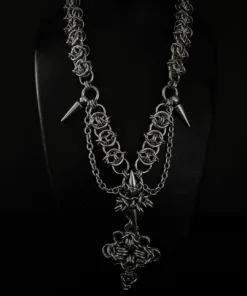

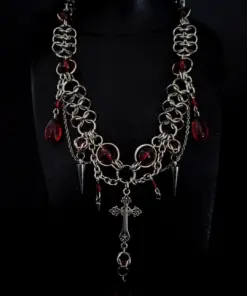
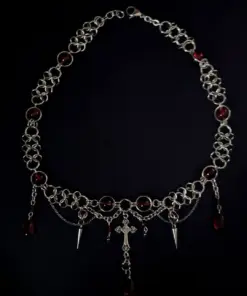
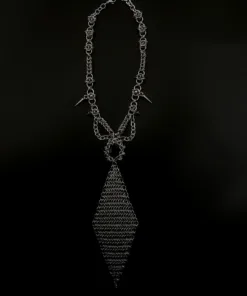

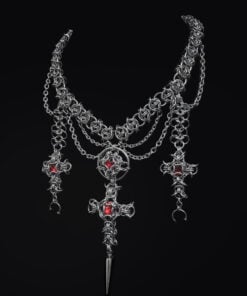
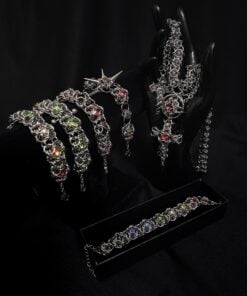
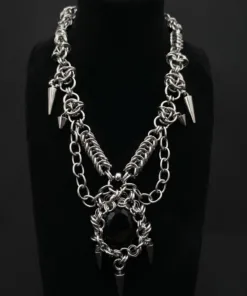

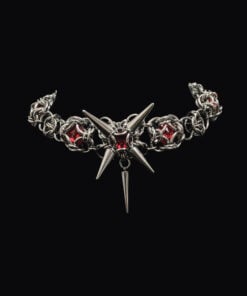
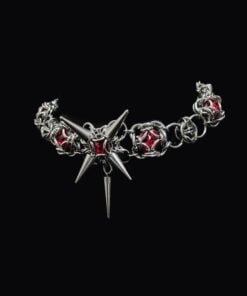
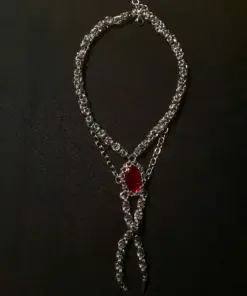
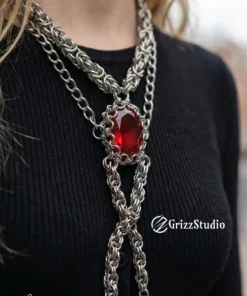
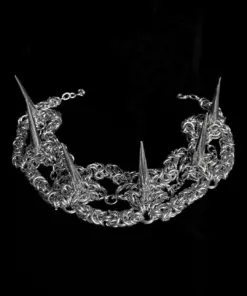
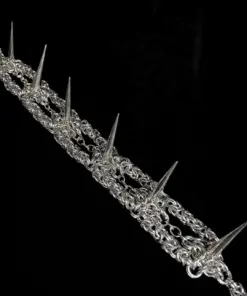
Recommended Grizz Studio Pieces If You Prefer Low-Maintenance Gothic Metal Jewellery
If you love the metal texture of handmade jewellery but prefer a colder gothic look than copper, these Grizz Studio pieces carry the same armour-inspired attitude through silver-tone chainmail, layered rings, darker charms and structured silhouettes.
Statement chainmail necklaces
Chainmail chokers
Chainmail bracelets
Chainmail earrings
Final Thoughts: Copper Tarnish Is Normal, but Material Choice Matters
Copper jewellery does tarnish, and that is simply part of the metal’s natural behaviour. For some people, the patina is part of the beauty. For others, it is too much maintenance. The best choice depends on the look you want, how often you wear the piece, and how much care you are willing to give it.
For gothic jewellery, copper can create a warm, antique mood, while stainless steel and silver-tone chainmail create a colder, sharper, more armour-inspired look. Knowing which story you want your jewellery to tell makes the decision far easier.
Explore handmade gothic chainmail jewellery from Grizz Studio — small-batch necklaces, chokers, bracelets and accessories designed for dark styling, metal texture and everyday presence.
Frequently Asked Questions
Does copper jewelry tarnish?
Yes. Copper jewellery naturally tarnishes over time when it is exposed to air, moisture, sweat, oils and chemicals.
Why does copper jewelry turn skin green?
Copper can react with the sweat, salts, acids and chemicals on your skin. This can create green copper compounds that rub off onto the skin. It is usually surface staining rather than a defect.
Is copper tarnish dangerous?
Copper tarnish is usually a surface reaction, and skin staining is often temporary and can be washed off. People with metal sensitivities should be more cautious and watch for irritation.
How do you stop copper jewelry from tarnishing?
Keep it dry, wipe it after wearing, store it in a sealed pouch or bag, avoid perfume and lotion on the piece, and keep it away from humidity.
How do you clean copper jewelry?
Use a soft cloth for light tarnish. For plain copper, some people use salt-and-vinegar or lemon-based methods, but avoid soaking handmade pieces with stones, pearls, coatings or mixed materials unless the maker confirms it is safe.
Is copper better than stainless steel for jewellery?
Not better — just different. Copper is warmer and develops a patina. Stainless steel is cooler-toned, more tarnish-resistant and often the better choice for low-maintenance gothic chainmail jewellery.