Thurisaz: The Viking Rune for Chaos and Its Powerful Meaning
Jony ·
The Allure of the Runes and the Search for Chaos
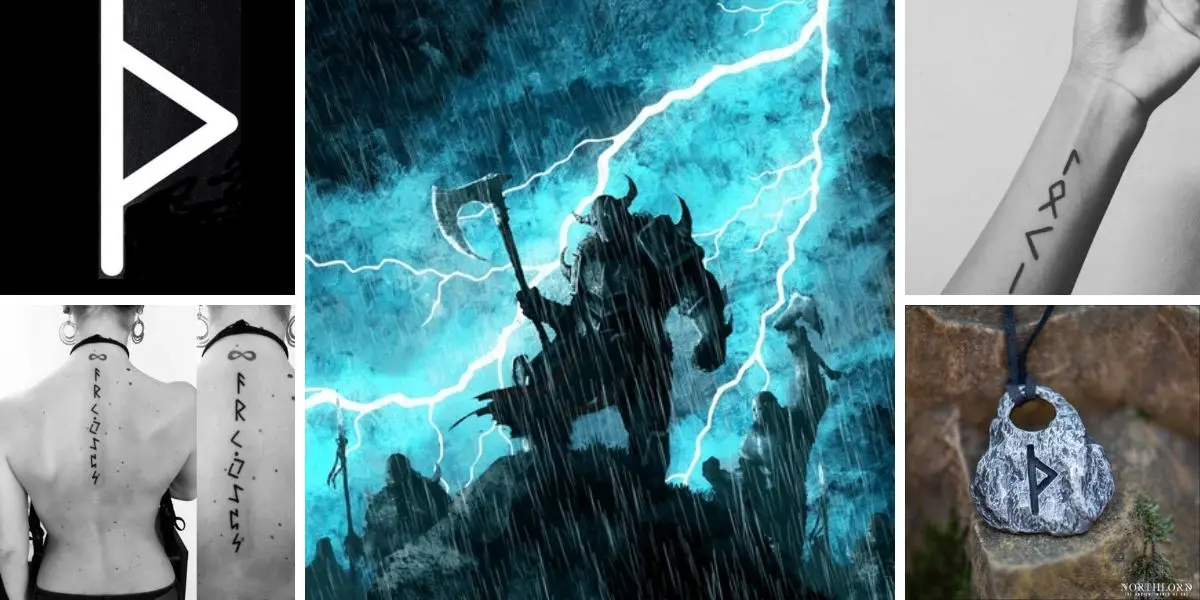
The Elder Futhark, the ancient alphabet of the Norse and Viking peoples, is far more than a collection of letters. These runes were potent symbols of divination, magic, and cosmic forces, each carrying profound meanings. Among the most frequently asked questions about Norse runes is: what is the Viking rune for chaos? The answer points directly to Thurisaz (Þurs), a rune embodying the raw, untamed power of chaos, destruction, and primal energy. Often associated with the ferocity of giants and the sharpness of a thorn, Thurisaz captivates those seeking to understand the chaotic forces of the universe. This article explores the Thurisaz rune symbol, its meanings, and its significance as a tattoo and beyond.
What Is the Norse Rune for Chaos? Introducing Thurisaz
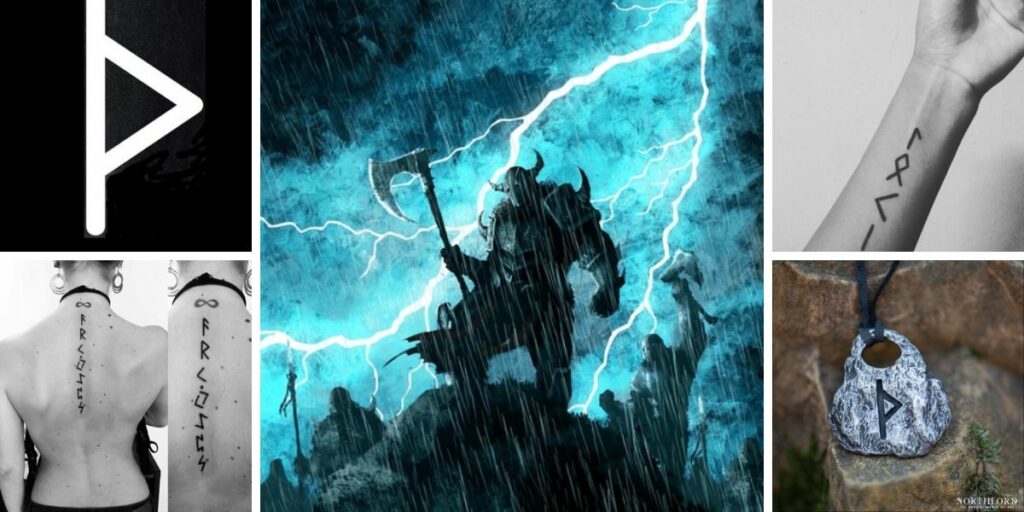
The Viking rune for chaos is unequivocally Thurisaz, a powerful symbol within the Elder Futhark alphabet. Visually, Thurisaz resembles a thorn or a stylized ‘P’, its sharp, angular form reflecting its intense nature. The word “Thurisaz” translates to “giant” (Jötunn) or “thorn” in Old Norse, encapsulating its essence as a force of chaos, destruction, conflict, and raw power.
However, Thurisaz is not merely a symbol of devastation. It represents a dual force: a destructive, uncontrollable energy akin to a storm, but also a catalyst for change and transformation. In chaos rune Norse interpretations, Thurisaz is revered and feared for its ability to disrupt and rebuild. It embodies the untamed power of nature and the human spirit, making it a complex and compelling symbol.
Thurisaz in Depth: Meaning and Symbolism of the Chaos Rune
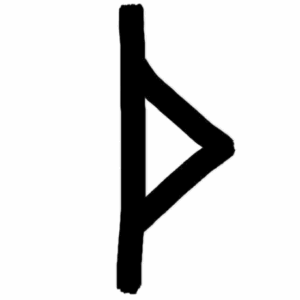
Chaos as Destruction
Thurisaz is deeply tied to destruction, often symbolising the chaotic might of giants (Jötnar) in Norse mythology or natural disasters like storms and earthquakes. Its energy is wild, unpredictable, and fierce, evoking images of violent upheaval or uncontrolled rage. This destructive aspect makes Thurisaz a potent representation of the Viking rune for chaos meaning, embodying forces that tear down structures, both physical and metaphorical.
Chaos as Primal Force and Catalyst
Yet, chaos is not solely negative. Thurisaz also represents the primal energy of creation, the breaking down of the old to make way for the new. Like a forest fire that clears deadwood for fresh growth, Thurisaz acts as a catalyst for transformation. Another rune, Hagalaz (hail), also carries chaotic, disruptive energy, symbolising sudden, destructive change. However, Thurisaz stands out as the primary chaos rune Norse symbol due to its association with conflict and raw power.
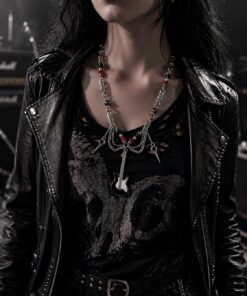
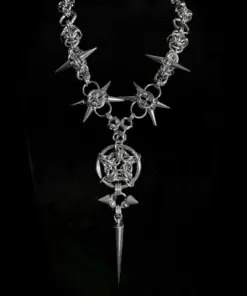
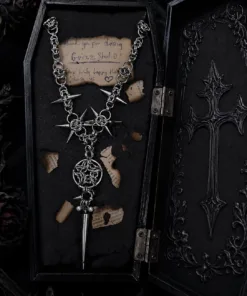
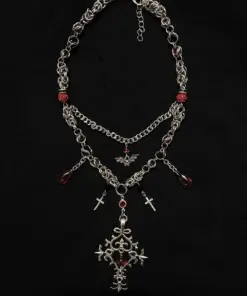
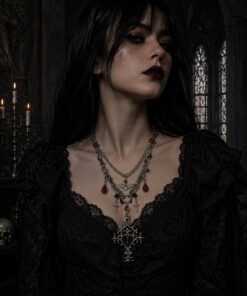
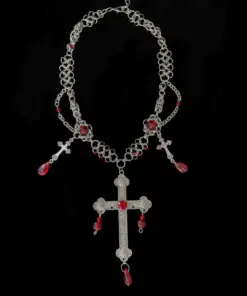
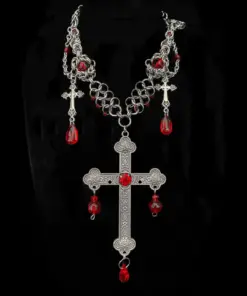
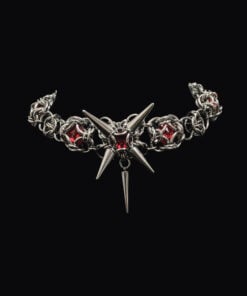
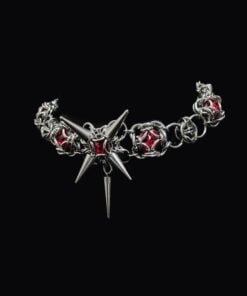
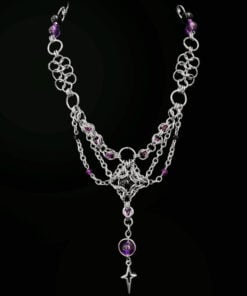
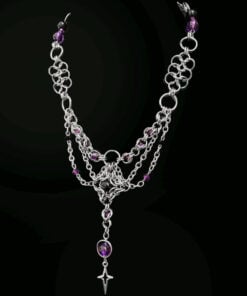
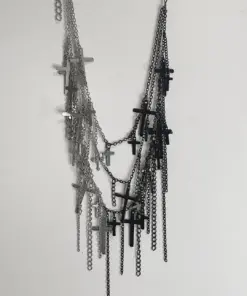
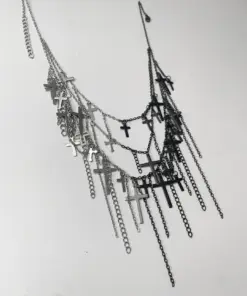
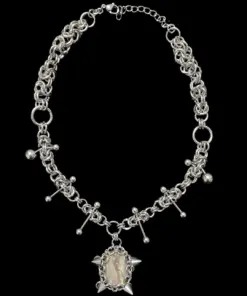
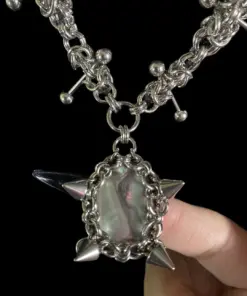
Symbols associated with force, disruption, and intensity often translate beautifully into statement necklaces with symbolic details. If you want a darker modern interpretation, browse our gothic necklace styles here.
Defence and Protection
Paradoxically, the thorn-like shape of Thurisaz also signifies protection. Just as a thorn defends a rose, Thurisaz can represent a barrier against harm, wielding chaos defensively. This duality—destruction and defence—makes the Viking rune for chaos a symbol of immense power and complexity, revered for its ability to both destroy and protect.
Related Concepts: Destruction, Mischief, and Power
What Is the Norse Rune for Destruction?
Thurisaz is the definitive Norse rune for destruction, embodying the chaotic forces of nature and conflict. Whether it’s the wrath of a giant or the devastation of a storm, Thurisaz captures the essence of destructive power, making it a central symbol in discussions of chaos and ruin.
What Is the Viking Rune for Mischief?
While no Elder Futhark rune explicitly represents “mischief” in the light, trickster sense, Thurisaz’s chaotic energy can manifest as disruptive or harmful mischief. Unlike the playful trickery associated with figures like Loki, Thurisaz’s chaos leans toward serious consequences, such as conflict or upheaval. Its intensity sets it apart from lighter, mischievous connotations.
What Is the Most Powerful Viking Rune?
The question of the most powerful Viking rune is subjective, as power depends on context. However, Thurisaz is a strong contender due to its embodiment of raw, uncontrollable force. In contrast, Uruz rune symbolises primal strength, vitality, and health, akin to the power of a wild ox, while Ansuz rune represents wisdom, communication, and divine inspiration. Thurisaz’s chaotic potency makes it uniquely formidable, particularly in situations requiring disruption or defence.
Thurisaz Beyond Chaos: Contrasting Ansuz and Uruz
To fully appreciate Thurisaz, it’s helpful to contrast it with other powerful runes. The Ansuz rune meaning centres on communication, divine inspiration, and wisdom, often associated with Odin, the Norse god of knowledge. Ansuz represents order and conscious power, a stark contrast to Thurisaz’s primal chaos.
Similarly, the Uruz rune embodies raw physical strength, vitality, and untamed potential. While Uruz shares Thurisaz’s primal energy, it is more constructive, symbolising life force and health rather than destruction. Thurisaz, by contrast, is the force that breaks or defends, making it both a destroyer and a guardian.
The Viking Rune for Chaos Tattoo: Meaning and Considerations
The Viking rune for chaos tattoo is a popular choice among those drawn to Norse symbolism. The Viking rune for chaos tattoo meaning varies, often representing survival through chaos, the harnessing of inner strength, or the embrace of life’s unpredictability. Some choose Thurisaz to symbolise necessary destruction for growth, while others see it as a protective charm, like a thorn shield.
However, caution is advised when considering a Thurisaz tattoo. Its intense energy and association with destruction require a deep understanding of its dual nature. Those who wear the Thurisaz rune symbol make a bold statement about their relationship with chaos, power, and transformation, so careful reflection is essential before committing to this permanent mark.
Embracing the Thorn – Understanding the Chaos Rune
Thurisaz, the Viking rune for chaos, is a profound symbol of destruction, primal force, defence, and transformation. It embodies the ambivalent nature of chaos—both a dangerous force and a necessary catalyst for change. Understanding Thurisaz is to grasp a fundamental aspect of the Norse cosmos, where chaos is both a challenge and an opportunity for growth.
Why Thor-Linked Symbols Still Resonate Today
Symbols connected to Thor continue to resonate because they represent more than mythology alone. They suggest force, protection, endurance, and a kind of uncompromising strength that still appeals to people today. Even outside historical or spiritual interest, many readers are drawn to these symbols because they communicate solidity, presence, and confidence.
In modern style, that same attraction often appears in darker handcrafted forms rather than literal costume references. People who connect with Thor-linked symbolism are often more interested in pieces that feel grounded, durable, and visually strong. Metal structure, geometric forms, and bold silhouettes tend to carry that energy better than delicate or overly polished accessories.
From Mythic Protection to Handcrafted Dark Accessories
For many readers, the appeal of protective symbols is not just about history. It is about wearing something that reflects strength and intention in a subtle but lasting way. That is why handmade dark accessories can feel like a more meaningful extension of symbolic interest than generic themed products.
Browse handmade gothic accessories if you are drawn to pieces with structure and visual weight, or explore dark statement necklaces for designs that feel strong without becoming theatrical. For smaller symbolic pieces, chainmail keychains with geometric or sigil-inspired design can also carry that same sense of force in a more compact form.
People drawn to Thor-linked symbolism are rarely searching for something fragile. More often, they are responding to the feeling of power, resilience, and protection. In modern personal style, that energy translates naturally into handcrafted dark accessories with metalwork, shape, and presence that feel deliberate rather than decorative.
Zippo Lighter Leash: Why Zippo Users Prefer Metal & Chain Leashes
A Zippo lighter is more than just a tool—it’s a collectible, a statement, and for
Jan
Best Secret Santa Gifts for Someone With a Dark Aesthetic
Secret Santa gifts are easy to get wrong. Go too generic, and the gift feels
Apr
Unveiling the Viking Rune for Fire: Kenaz and Its Ancient Power in Norse Lore
For centuries, Viking runes have captivated historians, linguists, and enthusiasts alike with their mystique and
1 Comment
Aug
Introducing the New Gothic Chainmail Keychain Collection – Handmade Relics of Love, Loyalty, and Dark Devotion
Grizz Studio is proud to unveil a new handmade collection that speaks to those who
Jan
The Rise and Fall of Skuld, the ruthless Queen of Denmark
The Norse myths and legends contain a fascinating figure – Skuld, a woman of both
Apr
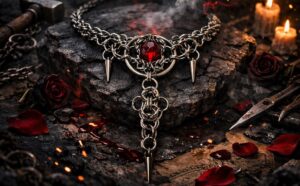
Bloodcore Sovereign Chainmaille Necklace – The Heart of Power, Forged in Silence
Some jewelry is worn. Some jewelry is seen. But a rare few pieces are felt
Feb
Comments
Paul Crew ·
Hello, What is your interpretation of the Anglo-Saxon poem about Thurisaz? The poem that mentions how it's exceedingly sharp to those who grasp/seize it. And also how it is uncommonly severe/immeasurably cruel to all those who sit amongst the thorns/rest in it's midst. How do you interpret that poem?