Viking Protection Symbols: Ancient Norse Runes and Their Powerful Meanings
Jony ·
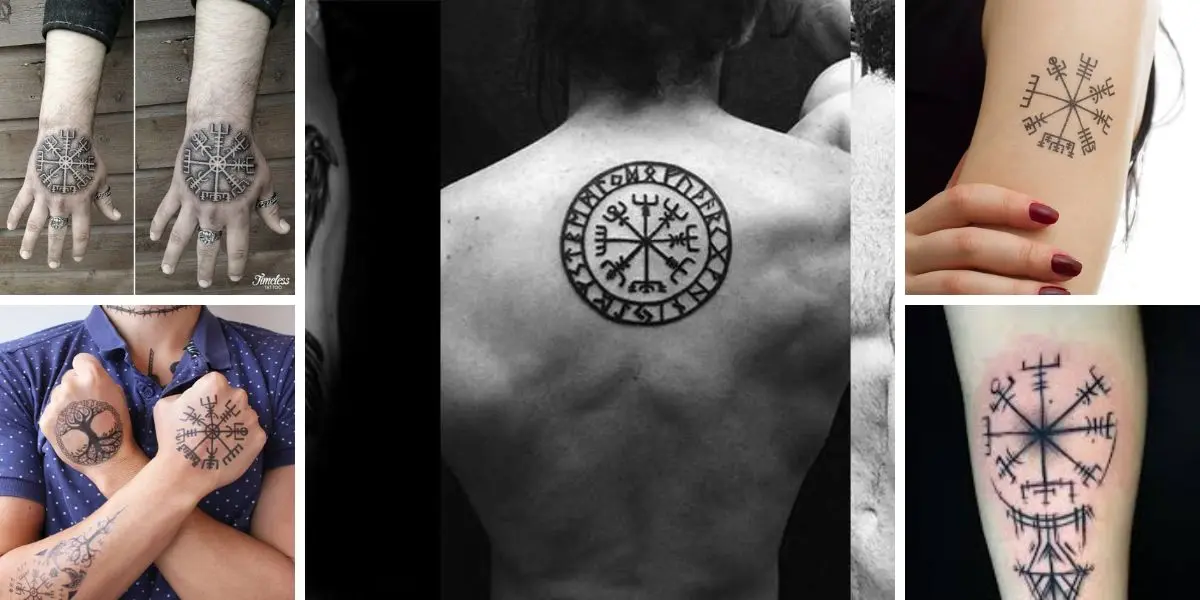
In the rugged world of the Vikings, symbols held profound significance, weaving together spirituality, warfare, and daily life. These intricate designs, rooted in Norse mythology, were more than mere decoration—they were believed to channel divine power, offering protection against malevolent forces. Among the most revered were symbols like Algiz, Aegishjalmur, Vegvisir, and Mjolnir, each carrying unique meanings and purposes. Protection symbols were especially vital in a society where survival demanded resilience against harsh environments, relentless battles, and unseen spiritual threats. From warriors carving runes on shields to seafarers invoking guidance, these symbols were integral to Viking identity. Today, their legacy endures, captivating those drawn to Norse heritage and its mystical allure. This article explores the origins, meanings, and modern relevance of Viking protection symbols, shedding light on their timeless power.
The Algiz Rune – The Ultimate Viking Protection Symbol
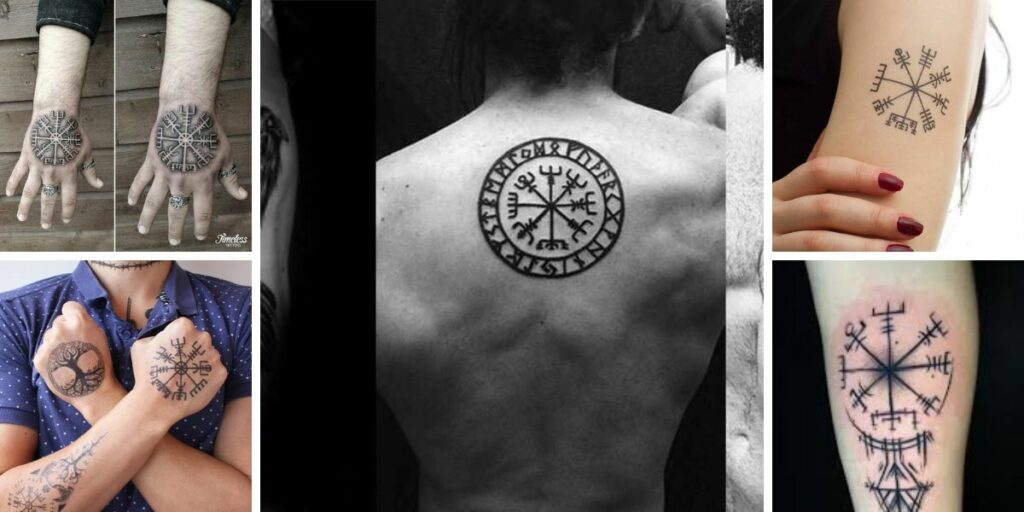
The Algiz rune (ᛉ), one of the most potent symbols in the Elder Futhark alphabet, embodies divine protection. Its name, derived from the Proto-Germanic word for “elk,” evokes the animal’s grace and strength, symbolising vigilance and defense. Visually, Algiz resembles a person with arms raised, suggesting a connection to the divine or a plea for safeguarding. Vikings believed Algiz invoked the protection of higher powers, possibly the god Heimdall, the watchman of the gods.
In practice, Algiz was carved into amulets, weapons, and runestones to shield warriors in battle or families at home. It was also used in rituals to ward off evil spirits or misfortune. The rune’s spiritual resonance extended to divination, where it signified safety and connection to the divine. Today, Algiz remains popular in modern rune magic and pagan practices, often worn as jewelry or used in meditation to invoke protection and spiritual awareness. Its enduring appeal lies in its simplicity and profound association with safety.
Aegishjalmur (The Helm of Awe) – The Warrior’s Shield
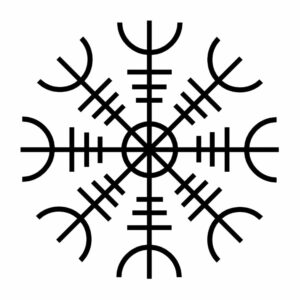
Aegishjalmur, known as the Helm of Awe, is a striking symbol of invincibility and fearlessness. Its intricate, radial design—typically eight arms radiating from a central point—resembles a star or wheel, exuding power. Mentioned in the Poetic Edda, Aegishjalmur was associated with the dragon Fafnir, who used it to instill terror in foes. Warriors believed it granted them supernatural strength, making them unstoppable in battle.
Vikings drew or carved Aegishjalmur on their foreheads, shields, or armor before combat, trusting it to paralyse enemies with fear while shielding them from harm. The symbol’s creation was often a ritualistic act, imbued with intent to harness its protective magic. In modern times, Aegishjalmur is a popular tattoo design among those seeking courage or connection to Norse warrior traditions. Its bold aesthetic and mythological weight make it a timeless emblem of resilience and dominance.
Vegvisir (The Viking Compass) – Guidance and Safeguarding
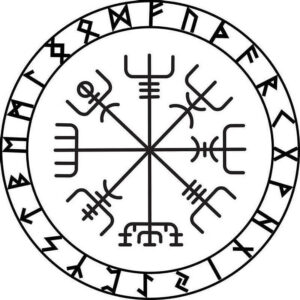
The Vegvisir, or “wayfinder,” is a runic compass designed to protect travellers, particularly seafarers navigating treacherous waters. Unlike Aegishjalmur’s battle-focused energy, Vegvisir ensured safe passage through storms or unfamiliar lands. Its eight staves, radiating from a central point, resemble a compass rose, each arm inscribed with runes to guide the bearer.
Originating in Icelandic magical traditions, Vegvisir appears in the Huld Manuscript (19th century), though its roots likely trace back to earlier Norse practices. Sailors and explorers carried Vegvisir amulets or drew it on ships to avoid getting lost. Today, it symbolises guidance through life’s uncertainties, making it a popular choice for tattoos and jewelry. Its universal appeal lies in its promise of direction and safety, resonating with anyone facing metaphorical or literal journeys.
Mjolnir (Thor’s Hammer) – Divine Protection
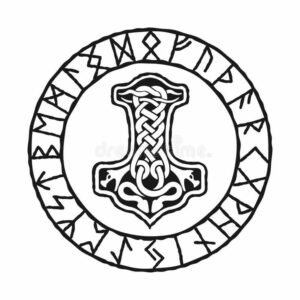
Mjolnir, the hammer of Thor, is perhaps the most iconic Viking symbol. Thor, the thunder god, was a protector of humanity, wielding Mjolnir to crush giants and evil forces. As a talisman, Mjolnir pendants were worn by Vikings to invoke Thor’s strength and safeguard against chaos. Archaeological discoveries across Scandinavia reveal countless Mjolnir amulets, underscoring its widespread use.
Crafted from iron or silver, these pendants were often simple yet potent, symbolising divine authority and resilience. Mjolnir was also used in rituals, such as blessing marriages or consecrating sacred spaces. In modern times, Mjolnir remains a powerful emblem of Norse identity, worn by pagans, history enthusiasts, and Marvel fans alike. Its enduring legacy reflects Thor’s role as a steadfast guardian, offering protection in an unpredictable world.
Other Lesser-Known Viking Protection Symbols
Beyond the well-known symbols, lesser-known Viking emblems also offered protection. The Troll Cross, a twisted iron amulet, was believed to ward off trolls and dark magic, commonly worn by children or hung in homes. The Svefnthorn, a sleep thorn, was a magical stave used to enchant enemies into slumber, neutralising threats without violence. These symbols, though less documented, highlight the Vikings’ diverse approaches to spiritual defense, blending practicality with mysticism. Their obscurity adds intrigue, inviting modern explorers to uncover their stories.
How to Use Viking Protection Symbols Today
Viking protection symbols have transcended their historical roots, finding new life in tattoos, jewelry, and spiritual practices. Algiz and Vegvisir are often inked as reminders of inner strength or guidance, while Aegishjalmur appeals to those seeking courage. Mjolnir pendants remain popular among Norse pagans and cultural enthusiasts. In meditation, these symbols can serve as focal points for invoking protection or clarity.
However, using these symbols requires respect for their cultural origins. Appropriating them without understanding their history risks diluting their meaning. Researching Norse mythology and consulting with practitioners can ensure their use is meaningful. Whether worn as a talisman or integrated into rituals, these symbols offer a tangible connection to Viking heritage, blending ancient wisdom with modern aspirations.
Viking protection symbols, from Algiz to Mjolnir, embody the resilience and spirituality of Norse culture. Their enduring power lies in their ability to offer guidance, strength, and safety across centuries. By exploring these symbols, we not only honour Viking legacy but also uncover timeless tools for navigating life’s challenges. Dive deeper into Norse mythology to discover their magic for yourself.
DOWNLOAD Vegvísir protection symbol [FULLHD] [2K]
How Protection Symbolism Translates Into Modern Dark Accessories
For many modern readers, the appeal of Viking protection symbols is not limited to ritual or historical study. What often remains compelling is the feeling behind them: protection, direction, resilience, and a sense of inner steadiness in uncertain environments. That is why these symbols continue to resonate far beyond mythology alone.
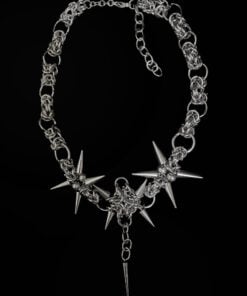
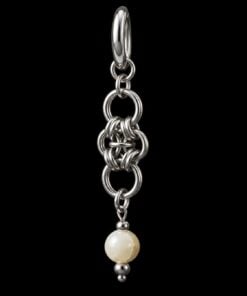
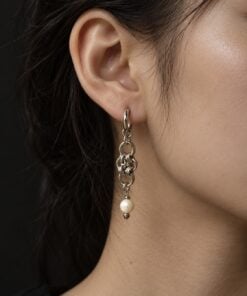
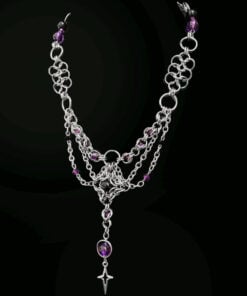
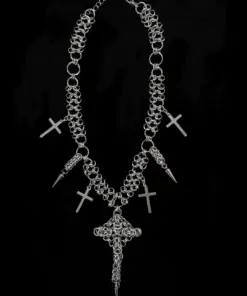
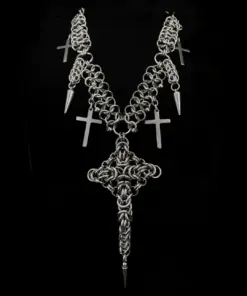
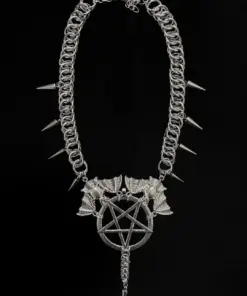
In contemporary personal style, people drawn to protective symbolism often gravitate toward accessories that feel durable, intentional, and visually grounded. Rather than choosing generic themed items, many prefer handcrafted pieces that echo the same ideas through structure, metalwork, geometric forms, and darker visual language. In that sense, symbolic design becomes less about literal reenactment and more about carrying the mood of protection into everyday life.
Handmade Pieces for Readers Drawn to Protective Symbolism
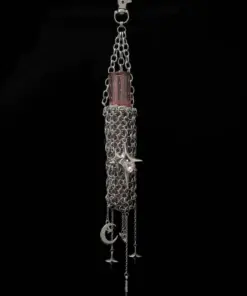
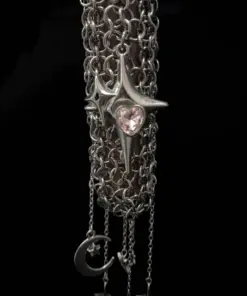
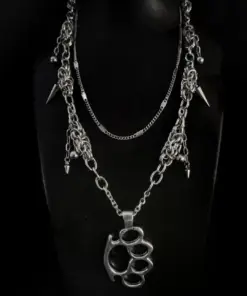
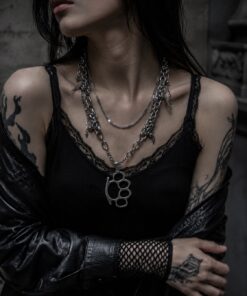
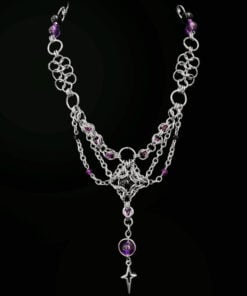
If you are drawn to symbols such as Algiz, Vegvisir, or Aegishjalmur because they represent guidance and protection, you may also be interested in handmade gothic accessories that reflect similar ideas through dark metal construction and symbolic detailing. Readers who prefer wearable statement pieces can explore dark statement necklaces, while those looking for smaller but still meaningful designs may prefer symbolic chainmail keychains.
For many people, the most satisfying modern interpretation of protection is not a mass-produced symbol but a handcrafted object that feels deliberate, durable, and personal.
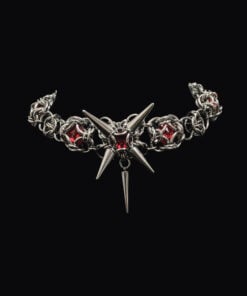
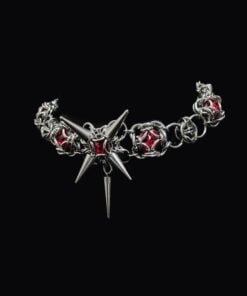
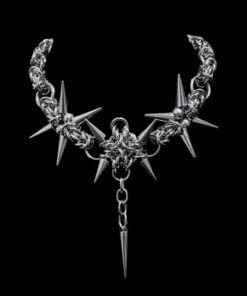
![DOWNLOAD Vegvísir protection symbol [FULLHD] [2K]](https://grizzstudio.com/wp-content/uploads/2025/06/The-Helm-Of-Awe-Viking-Symbol-For-Protection.png.zip)
Protection symbols remain powerful because they speak to something timeless: the desire to move through life with greater strength, clarity, and grounding. Today, that same impulse often appears in handcrafted dark accessories that carry symbolic energy through form, material, and intentional design rather than through literal imitation alone.
Freya: Queen of the Valkyries in Norse Mythology
Within the tales of Norse mythology, the goddess Freya plays a prominent yet complex role.
1 Comment
Oct
The Connection Between Viking and Celtic Symbols
While Vikings and Celts originated from different parts of Europe and had distinct cultures and
Oct

The Mystery of the Viking Dreadlocks
The ancient Vikings of Scandinavia still fascinate us today with their courageous warrior culture, ingenious
Sep

ODIN – YMIR and Norse Creation Myth
Odin is commonly known as the god of war, wisdom, and king of the gods
Apr

The 12 Most Important Gods of Norse Mythology
The rich mythology and folklore of Norse and Western cultures continue to captivate people of
Apr
The Legend of the Berserker Warriors of Northern Europe
Berserkers were the most elite and mysterious warrior group in Norse history. They are surrounded
May