

Lighting is a cornerstone of daily life, shaping how we experience and interact with our surroundings. From creating a welcoming atmosphere to ensuring safety and functionality, the right illumination transforms spaces. The concept of “lights illuminate” goes beyond mere brightness—it’s about crafting environments that enhance mood, productivity, and aesthetics. This article explores the principles of lighting, its diverse applications, and how to choose the perfect illumination for your space.
Understanding Illumination: Basics of Lighting Theory
Illumination refers to the use of light to enhance visibility and create ambiance. It plays a critical role in how we perceive spaces, influencing everything from safety to emotional comfort. Key terms in lighting theory include:
-
Brightness: Measured in lumens, brightness determines the intensity of light. Higher lumens mean brighter light, ideal for task-oriented spaces.
-
Colour Temperature: Measured in Kelvin (K), this defines the warmth or coolness of light. Warm light (2700–3000K) creates a cosy feel, while cool light (4000–5000K) promotes focus.
-
Light Distribution: How light spreads in a space, whether evenly (diffused) or focused (directional), affects functionality and aesthetics.
Drawing from established lighting principles, such as those used by Bega, effective illumination balances these elements to suit the purpose of a space, ensuring both practicality and visual harmony.
Types of Illumination and Their Applications
Different lighting types serve distinct purposes, each contributing to a well-lit environment:
-
Ambient Lighting: This provides general illumination, setting the overall tone of a space. Ceiling fixtures, chandeliers, or recessed lights are common examples, offering uniform light for living rooms or offices.
-
Task Lighting: Designed for specific activities, task lighting focuses light where it’s needed most. Desk lamps, under-cabinet kitchen lights, or reading lights ensure clarity for tasks like studying or cooking.
-
Accent Lighting: Used for decorative purposes, accent lighting highlights architectural features or artwork. Spotlights, LED strips, or wall sconces can create drama or draw attention to focal points.
-
Natural Light Integration: Windows, skylights, and glass doors allow natural light to complement artificial sources. Companies like Illuminati Lighting UK showcase designs that blend daylight with modern fixtures for a seamless effect.
These lighting types, inspired by brands like Illuminate UK, can be combined to create dynamic, functional spaces.
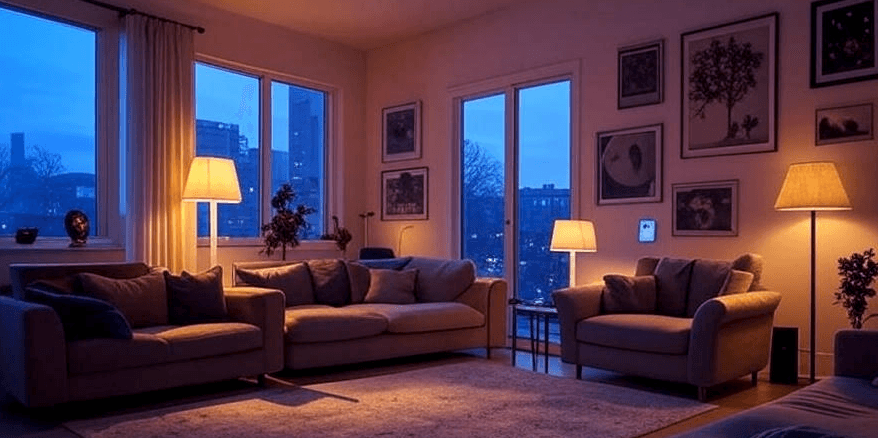
Innovative Lighting Technologies
Lighting technology has evolved significantly, offering solutions that are both practical and sustainable:
-
Smart Lighting Systems: App-controlled LEDs, such as those from Philips Hue, allow users to adjust brightness, colour, and schedules remotely, enhancing convenience and energy efficiency.
-
Energy-Efficient Options: Solar-powered lights, increasingly popular in outdoor settings, reduce energy costs and environmental impact. They’re ideal for gardens or pathways.
-
Architectural Lighting Trends: Brands like AY Illuminate and Try Illuminate pioneer designs that integrate lighting into building structures, creating seamless, visually striking effects.
These innovations make lighting more adaptable and eco-friendly, catering to modern lifestyle demands.
Choosing the Right Illumination for Your Space
Selecting the right lighting requires careful consideration of several factors:
-
Room Function: A kitchen needs bright, task-oriented lighting, while a bedroom benefits from softer, ambient light.
-
Room Size and Decor: Larger spaces may require multiple light sources, while smaller rooms need careful placement to avoid clutter. Matching fixtures to decor ensures aesthetic cohesion.
-
Balancing Light Sources: Combine ambient, task, and accent lighting for versatility. For example, a living room might feature a ceiling light (ambient), a floor lamp (task), and LED strips (accent).
-
Avoiding Common Mistakes: Glare from overly bright lights or insufficient illumination can disrupt a space’s functionality. Use dimmers and layered lighting to maintain flexibility.
By considering these factors, you can create a lighting scheme that enhances both form and function.
Conclusion
Effective illumination is more than just a practical necessity—it’s a tool to transform spaces, elevate moods, and improve functionality. By understanding lighting principles, exploring innovative technologies, and tailoring solutions to your needs, you can create environments that truly shine. Experiment with different lighting combinations to discover what works best for your space, and don’t hesitate to share your projects or seek professional advice from lighting experts to bring your vision to life.

Valknut symbol: An enigma from Norse mythology
While the exact origins and original meaning of the Valknut symbol are unknown due to
Mar

How to Choose a Statement Piece Without Making Your Outfit Feel Too Heavy
A statement piece has the power to transform an outfit instantly. It catches light, draws
Apr

🖤 BLACK FRIDAY MEGA SALE – UP TO 50% OFF STOREWIDE
Use Code: blackfriday2025Valid until November 30, 2025 Welcome to the biggest sale event of the
Nov

Father’s Day Jewellery Gifts: Bracelets, Necklaces and Accessories for Dads
Father’s Day jewellery gifts can feel personal, lasting and more considered than another mug or
Jun

Vegvisir: The Ancient Viking Compass Symbol
The popular TV show Vikings premiered in 2013 and introduced mainstream audiences to aspects of
Mar

The Perfect Gift for Hollow Knight Fans: Hollow Knight Dreamscape Lamp
Choosing the perfect gift for a friend, partner, or loved one who is deeply passionate
Apr
