Gothic Tarot Card Symbols: Meanings, Dark Aesthetics, and Why These Cards Fascinate Modern Readers
Jony ·
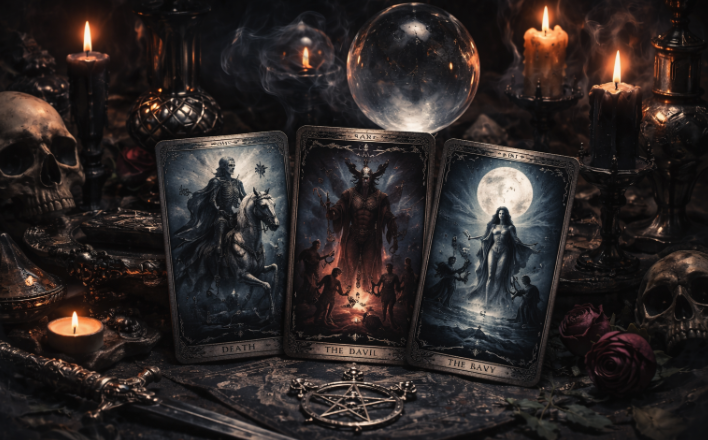
Tarot and gothic aesthetics share a natural kinship. Both embrace mystery, mortality, symbolism, introspection, and transformation as core themes. When you combine the archetypal imagery of tarot with the dark-romantic visual language of gothic culture, something profound emerges: a language for exploring our deepest fears, desires, and truths.
Many people assume that gothic tarot is simply tarot with shock value or sinister undertones. But the reality is more nuanced. Tarot itself began as a card game during the Renaissance before becoming associated with divination centuries later. Gothic tarot is not automatically rooted in demonology or dark magic—rather, it’s a contemporary visual expression that takes the symbolic power of tarot and frames it through an aesthetic lens that celebrates darkness, complexity, and emotional depth.
In this guide, we’ll explore gothic tarot card symbols, their meanings, the cards that feel most inherently gothic, and how to explore gothic tarot decks without misunderstanding the rich culture behind them.
What Are Gothic Tarot Card Symbols?
Gothic tarot symbols are the visual and emotional motifs that infuse a deck with a dark-romantic, melancholic, mysterious, or macabre atmosphere. These symbols don’t define a single rigid aesthetic—instead, they reflect a shared sensibility about beauty, darkness, and meaning.
When we talk about ‘gothic’ in this context, we’re referring less to a specific religious or spiritual system and more to a mood, a visual philosophy, and a way of finding meaning in darkness. Gothic tarot often weaves together traditional tarot archetypes with imagery such as skulls, ravens or crows, graveyards, moon phases, cathedral architecture, shadows, cloaks, candles, roses, and thorns.
These elements aren’t arbitrary. They deepen the emotional resonance of a reading and transform what might otherwise be abstract symbolism into something visceral and unforgettable. A Death card illustrated with wilting roses and a skull feels more profound than one with generic imagery. A Hermit draped in shadow and mystery feels more introspective. These visual choices invite readers to sit longer with difficult truths.
Why Tarot and Gothic Aesthetics Work So Well Together
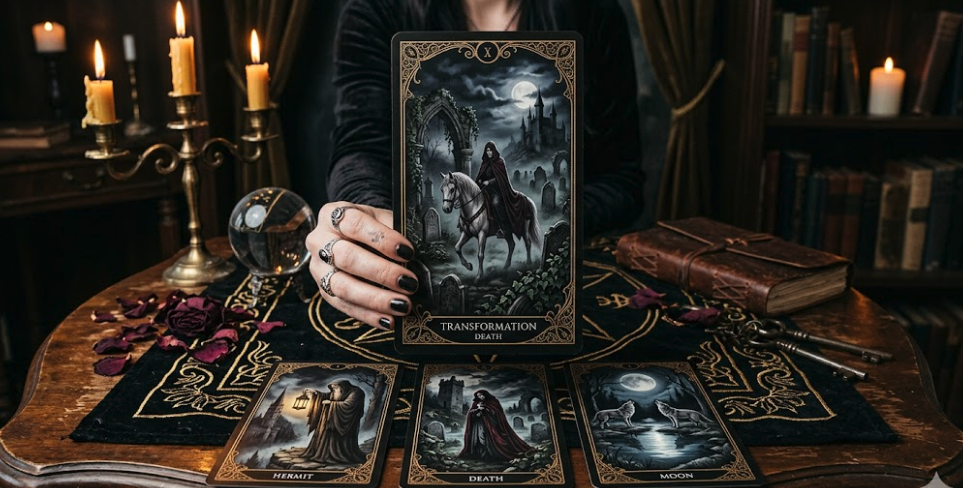
Tarot deals with universal human experiences: change, loss, desire, fear, intuition, rebirth, temptation, and self-knowledge. These are the themes that have always captivated gothic culture as well. Gothic tradition embraces mortality, celebrates the misunderstood and the overlooked, finds beauty in solitude, values emotional depth, and transforms decay into something worth contemplating.
This alignment is far from coincidental. When you read a tarot card, you’re engaging with archetypal energy—the collective symbols and patterns that all humans recognize on some level. Gothic imagery, similarly, speaks to universal human experiences of shadow, complexity, and transformation. Together, they create something more than the sum of their parts.
Gothic tarot is not ‘dark for shock value only.’ Instead, it reframes difficult truths in a poetic and visually striking way. The symbolism becomes more intense, more atmospheric, and more memorable. A traditionally illustrated tarot deck might present a struggle neutrally; a gothic one transforms that struggle into something beautiful and haunting. This aesthetic choice doesn’t diminish the card’s meaning—it deepens it.
The Most Important Gothic Tarot Card Symbols and Their Meanings
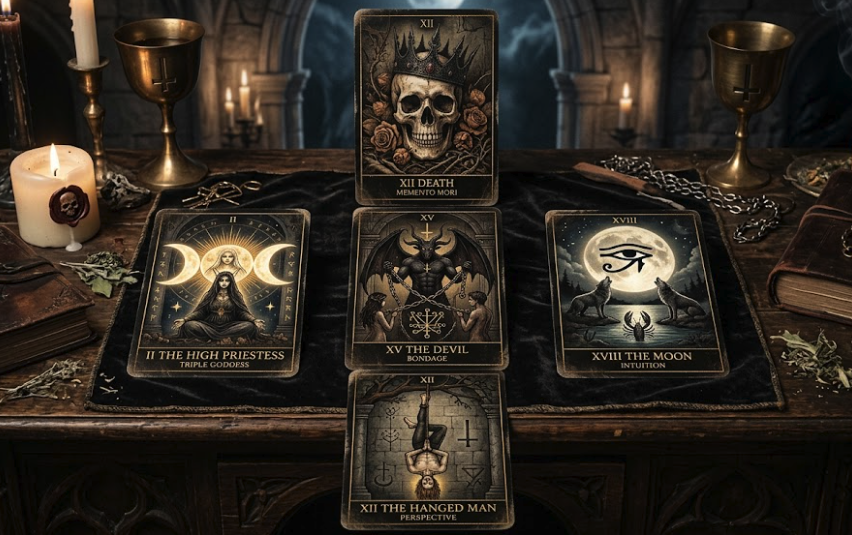
Skulls
The skull is perhaps the most recognizable symbol in gothic tarot. It represents mortality, impermanence, and the inevitability of change. Known as memento mori (‘remember you must die’), skull imagery invites us to contemplate what truly matters in our lives and to release our attachments to permanence. Rather than being purely morbid, skull symbolism in gothic tarot often carries a liberating message: accepting mortality frees us to live authentically.
Inverted Crosses and Religious Imagery
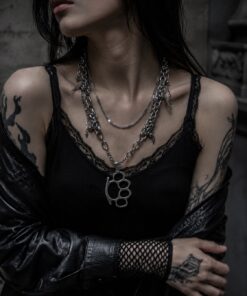
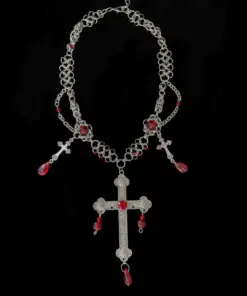
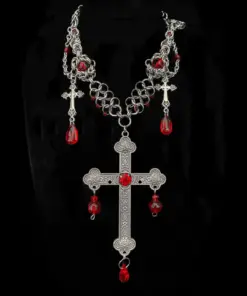
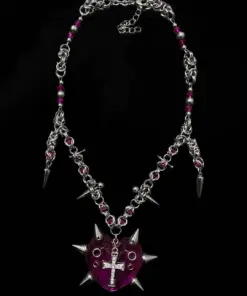
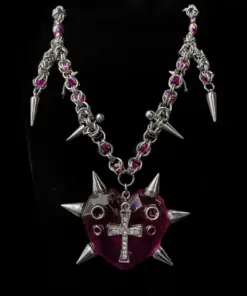
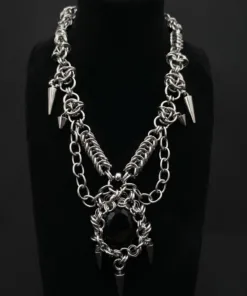
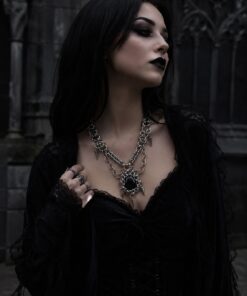
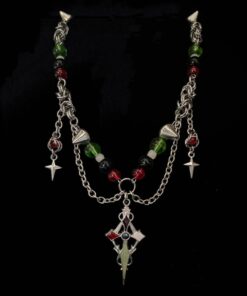
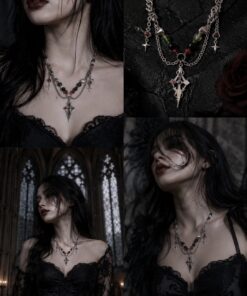
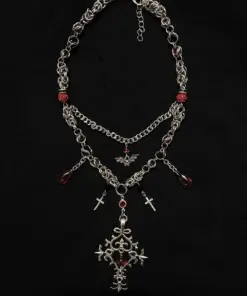
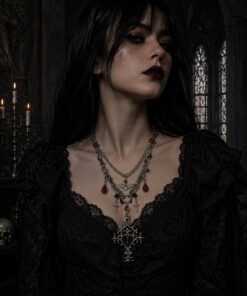
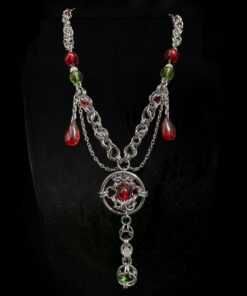
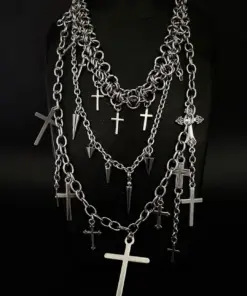
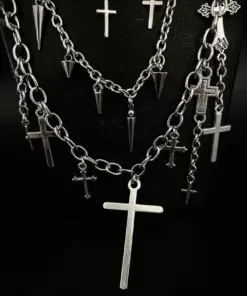
Gothic tarot frequently incorporates religious symbols—sometimes inverted, sometimes reimagined. It’s crucial to understand that gothic use of these motifs is typically aesthetic, historical, theatrical, or rebellious rather than strictly doctrinal. In gothic culture, religious imagery often represents the questioning of authority, the exploration of forbidden knowledge, or simply the visual language of mysticism and tradition. These symbols aren’t automatically ‘evil’—they’re a way of engaging with deep, complex themes about power, spirituality, and human meaning.
Triple Goddess and Moon Symbolism
The crescent moon, full moon, and triple goddess symbol (representing maiden, mother, and crone) connect deeply with feminine divine energy, cycles, intuition, and transformation. Moon phases track time, emotion, and the invisible forces that shape our inner worlds. In gothic tarot, lunar symbolism emphasizes the power of night, the subconscious, and the sacred feminine. These symbols celebrate the cyclical nature of existence and the wisdom that comes from honoring all phases of life.
Eye of Horus / Eye of Ra
The Eye of Horus and Eye of Ra are ancient Egyptian symbols representing protection, divine sight, and occult knowledge. In gothic tarot, these symbols emphasize mysticism, hidden truths, and the ability to see beyond the visible world. The eye becomes a window into mysterious forces and untapped perception—perfect imagery for cards dealing with wisdom, intuition, or revelation.
Chains, Horns, and Demonic Figures
Chains, horns, and demonic or shadow figures appear most prominently in the Devil card and related imagery. Rather than representing literal evil, these symbols explore themes of temptation, bondage, obsession, and personal struggle. The Devil card in tarot is less about external evil and more about the parts of ourselves we deny or are enslaved to—addiction, unhealthy patterns, or unexamined desires. Gothic illustrations of these themes can feel visceral and challenging, inviting deeper self-examination.
Which Tarot Cards Feel Most Gothic?
Death
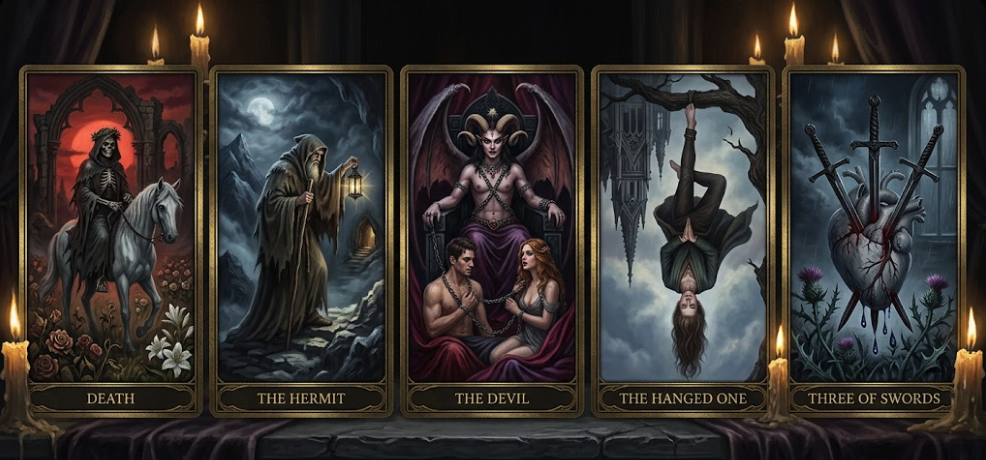
The Death card is perhaps the quintessentially gothic tarot card. Its imagery speaks not of literal death but of endings, rebirth, decay feeding renewal, and the beauty of impermanence. In gothic illustrations, Death transforms from a figure to fear into a natural process worthy of artistic contemplation. The card reminds us that transformation requires letting go, and that destruction and creation are always intertwined.
The Hermit
Solitude, inner searching, and cloaked mystery define the Hermit. In gothic renderings, the Hermit becomes a figure of profound isolation and introspection—someone who retreats from the noise of the world to find truth within. This card celebrates the power of withdrawal, meditation, and the wisdom that comes from facing ourselves alone in the darkness.
The Devil
The Devil embodies seduction, excess, compulsion, rebellion, and taboo. In gothic tarot, this card becomes visually striking and psychologically complex. It’s not about external evil but about the parts of ourselves that are raw, passionate, and uncontrolled. Gothic illustrations honor the Devil’s complexity—the way temptation and desire can feel both dangerous and strangely liberating.
The Hanged One / Hanged Man
Suspension, altered perspective, subversion, discomfort, and surrender characterize the Hanged One. In gothic imagery, this card becomes an exploration of what it means to sacrifice comfort for truth, to hang suspended between worlds, or to see reality from an inverted angle. It’s deeply introspective and slightly unsettling—perfect territory for gothic visual expression.
Three of Swords / Ten of Swords
These cards address heartbreak, suffering, emotional honesty, and survival after pain. Rather than being purely tragic, gothic illustrations of these cards can transform suffering into something visually and emotionally profound. They honor the reality that pain is part of being human and that acknowledging our wounds is a form of strength.
Are Tarot Cards Witchy, Demonic, or Just Symbolic?
This question comes up frequently, and it deserves a direct, thoughtful answer. Tarot was originally a card game that became associated with divination only in later centuries. Today, tarot is used by people from countless belief systems—secular, spiritual, artistic, intuitive, religious, and skeptical. There is no single ‘tarot community’ with one doctrine.
Gothic culture, similarly, is not one monolithic religion. ‘Goth’ is an aesthetic, a cultural movement, and a sensibility that appeals to people across many different spiritual and secular backgrounds.
In gothic tarot specifically, ‘dark’ almost always refers to atmosphere, emotional depth, and symbolic richness rather than demonology. A gothic deck might use intense imagery to explore shadow aspects of the psyche or to make abstract concepts feel tangible, but this serves the reading, not some hidden doctrine. If you’re drawn to gothic tarot, you’re engaging with a visual and symbolic language—whether or not you believe in divination is entirely up to you.
Popular Gothic Tarot Deck Inspirations
If you’re interested in exploring gothic tarot aesthetically or spiritually, you might consider these visually striking decks: the Bohemian Gothic Tarot, known for its ornate and atmospheric art; the Lost Hallow Tarot, which blends gothic aesthetics with mystical symbolism; the Dark Grimoire Tarot, famous for its deeply detailed and occult-inspired illustrations; and the Tarot of the Vampyres, which brings a dramatic, gothic-romantic sensibility to the classic arcana. These decks show how varied gothic tarot aesthetics can be, from elegant and refined to raw and intense.
Conclusion
Gothic tarot card symbols matter because they turn fear, beauty, grief, mystery, and transformation into a visual language that readers can genuinely connect with. They make the abstract feel real. They honor complexity and emotional truth.
Gothic tarot doesn’t merely make tarot darker—it makes its emotional truths harder to ignore. When you encounter a Death card illustrated with haunting artistry, or a Devil card rendered with troubling beauty, the card’s message becomes inescapable. That’s the power of merging symbolism with aesthetic intention.

Custom Father’s Day Gifts That Feel Personal Without Being Predictable
Custom Father’s Day gifts are popular because they feel more personal than something picked from
Jun

Father’s Day Jewellery Gifts: Bracelets, Necklaces and Accessories for Dads
Father’s Day jewellery gifts can feel personal, lasting and more considered than another mug or
Jun

Father’s Day Gift Basket Ideas for Dads Who Like Practical Gifts
A Father’s Day gift basket is a good choice when one gift does not feel
Jun

Last-Minute Father’s Day Gifts That Still Feel Thoughtful
Left Father’s Day a little too late? You are not the only one. The good
Jun

Best Father’s Day Gifts for Dads Who Like Something Different
Finding the right Father’s Day gift can be harder than it looks. Most dads already
Jun
Gothic Earrings 2026: Dark & Dramatic Styles for Every Goth Aesthetic
Gothic earrings are one of the easiest ways to add darkness, movement and personality to
Jun
Gothic Choker Necklace: The Ultimate Style & Buying Guide 2026
A gothic choker necklace is one of the fastest ways to make a dark outfit
Jun
What Is Gothic Chainmail Jewelry? A Complete Guide to Dark Handmade Jewellery
Gothic chainmail jewelry is dark, handcrafted jewellery made from interlinked metal rings, inspired by armour,
Jun