

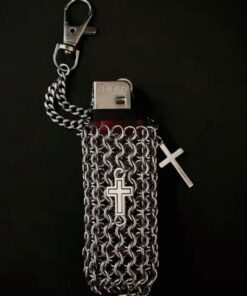
 Crusader Chainmail Lighter Armour
 For decades, the Zippo lighter has been more than just a tool for creating fire. It has become a symbol of reliability, identity, and ritual — a personal object that many people carry daily for years, sometimes even for a lifetime.
Yet despite its iconic status, Zippo ownership often raises practical questions:
Can you fly with a Zippo? Why does it run out of fuel so quickly? Does Zippo still offer lifetime repairs? And beyond functionality, why do so many users customise or protect their lighters?
This in-depth guide answers the most searched Zippo-related questions while exploring how Zippo has evolved from a simple lighter into a personal object — one that blends function, craftsmanship, and style.
Why Are Zippo Lighters Restricted on Planes?
One of the most common questions among Zippo owners concerns air travel. The answer lies in the fuel system.
Zippo lighters use liquid lighter fuel, which is volatile and highly flammable. Due to changes in air pressure and strict aviation safety regulations, most airports and airlines classify fuelled lighters as hazardous items.
General aviation rules
- Fuelled Zippo lighters are usually not allowed in carry-on luggage
- Fuelled Zippos are typically not allowed in checked baggage
- Security officers may confiscate the lighter without compensation
Some airports allow empty Zippo lighters, but enforcement varies widely depending on the country, airport, and airline.
What travellers commonly do
Because of these restrictions, experienced Zippo users often:
- Travel with an empty lighter
- Carry only the lighter casing
- Refill the lighter after arriving at their destination
For many collectors, the real concern is not just fuel — it is protecting a personal object from damage or loss during travel.
Are Zippo Lighters Allowed on Planes in Europe?
European regulations are often stricter and less consistent than travellers expect.
Across Europe:
- Most airlines prohibit fuelled lighters entirely
- Empty Zippo lighters may be allowed, but security discretion applies
- Some countries enforce blanket bans regardless of fuel status
As a result, many European Zippo owners treat their lighter as a valuable personal item, transporting it empty and protected rather than risking confiscation.

What Happens If a Lighter Is Found in Checked Luggage?
If a Zippo lighter is discovered in checked baggage, several outcomes are possible:
- Immediate confiscation
- Removal of the item without notification
- Delays in luggage processing
Although fines are rare, the emotional cost can be significant — especially for lighters that carry sentimental value or years of personal history.
This is why many owners separate the functional core from the external protection when travelling.
Does Zippo Still Repair Their Lighters for Free?
Yes. Zippo remains famous for its lifetime mechanical warranty.
What Zippo repairs
- Hinges and lids
- Flint wheels
- Internal ignition components
What Zippo does not repair
- Cosmetic damage
- External cases or custom finishes
- Wear caused by daily carry
This distinction is important. Zippo guarantees that the lighter will work, but how it looks — and how it is protected — is left to the owner.
Over time, many users choose to preserve their lighter’s exterior rather than replace it.
How Long Do Zippo Flints Last?
A single Zippo flint typically lasts one to three months, depending on usage.
Factors that affect flint life:
- Frequency of lighting
- Pressure applied to the wheel
- Flint hardness
Replacing flints is part of the Zippo ownership ritual — one that reinforces the idea that Zippo is not disposable, but maintained.
Why Do Zippo Lighters Run Out of Fuel So Quickly?
This question surprises many new users.
Zippo lighters are not airtight by design. Even when unused, lighter fluid slowly evaporates through the wick and cotton packing.
This is not a flaw — it is part of the classic Zippo design that prioritises:
- Reliable ignition
- Wind resistance
- Simplicity
Refilling a Zippo becomes a habitual act, similar to winding a mechanical watch. For long-term users, it is part of the experience.
Do Zippo Lighters Hold Their Value?
In many cases, yes.
Zippo lighters are known for:
- Long service life
- Stable resale value
- Strong collector interest in limited editions
A well-maintained Zippo can last decades. Some become heirlooms, passed down through generations. For collectors, preserving the condition of the lighter is often as important as using it.
Importantly, external protection that does not alter the original lighter helps preserve value while allowing daily use.
What Is the Easiest Zippo Trick?
Zippo tricks are part of lighter culture.
The easiest and most common tricks include:
- One-handed opening
- Thumb roll ignition
- Simple spin-open techniques
Experienced users value accessories that do not interfere with:
- Lid movement
- Wheel access
- Balance in the hand
Functional add-ons must respect the lighter’s mechanics — otherwise they are quickly abandoned.

What Does It Mean to Wear or Carry Chainmail Today?
Chainmail originated as protective armour, but its modern meaning has evolved.
Today, chainmail symbolises:
- Strength and resilience
- Craftsmanship and labour
- A connection to medieval, gothic, and dark fantasy aesthetics
Unlike smooth metal shells, chainmail has:
- Texture
- Weight
- Movement
In contemporary design, chainmail bridges the gap between function and expression.
Why Protection Matters for Daily-Carry Objects
Zippo lighters are often carried:
- In pockets
- On belts
- In bags
Daily carry exposes them to:
- Scratches
- Impacts
- Friction against keys or coins
While Zippo’s internal mechanism is durable, the exterior finish often tells the story of its owner’s life. Some embrace wear; others prefer to preserve the original surface.
Protective solutions that are removable, breathable, and non-invasive allow owners to choose both.
The Rise of Functional Craft: From Tool to Personal Object
Modern Zippo culture increasingly overlaps with:
- EDC (Everyday Carry) communities
- Gothic and dark fantasy aesthetics
- Handmade and artisan craftsmanship
Rather than replacing the lighter, users enhance it:
- Without drilling
- Without adhesives
- Without permanent modification
This approach respects Zippo’s heritage while adapting it to modern identity and style.
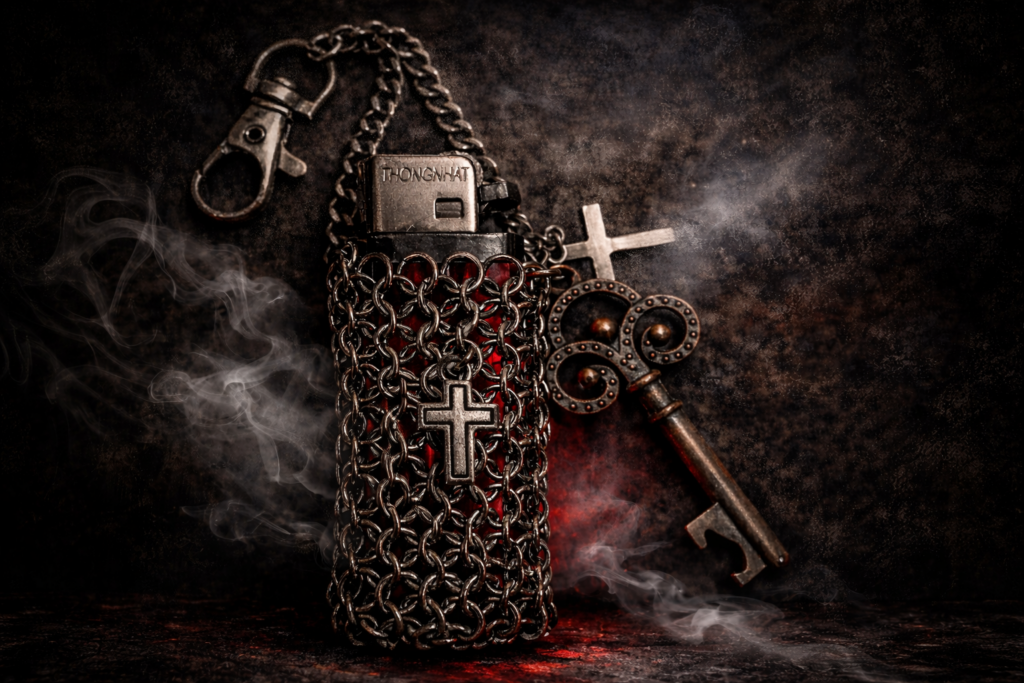
Why Zippo Chainmail Exists
Zippo chainmail covers emerged from a simple idea:
protect the lighter without changing it.
A well-designed chainmail sleeve:
- Shields the lighter from scratches
- Adds grip and weight
- Allows airflow (important for evaporation control)
- Maintains full mechanical function
Unlike solid cases, chainmail:
- Moves with the hand
- Does not trap moisture
- Ages naturally alongside the lighter
For many users, it transforms Zippo from a pocket tool into a tactile object — something that feels intentional rather than accidental.
Travel, Ritual, and Identity
When viewed together, the most common Zippo questions reveal something deeper.
People ask about:
- Travel rules
- Maintenance
- Durability
- Value
Because Zippo is not just a lighter — it is part of daily identity.
Owners plan around it. They protect it. They personalise it. And over time, it becomes inseparable from routine and memory.
Final Thoughts: More Than Fire
Zippo’s endurance lies in its balance:
- Mechanical simplicity
- Emotional attachment
- Cultural symbolism
Whether used daily or kept as a collector’s item, Zippo remains relevant because it invites interaction. Accessories that respect its design enhance that relationship rather than replace it.
In the end, Zippo is not about fire alone — it is about continuity, ritual, and the quiet satisfaction of carrying something made to last.
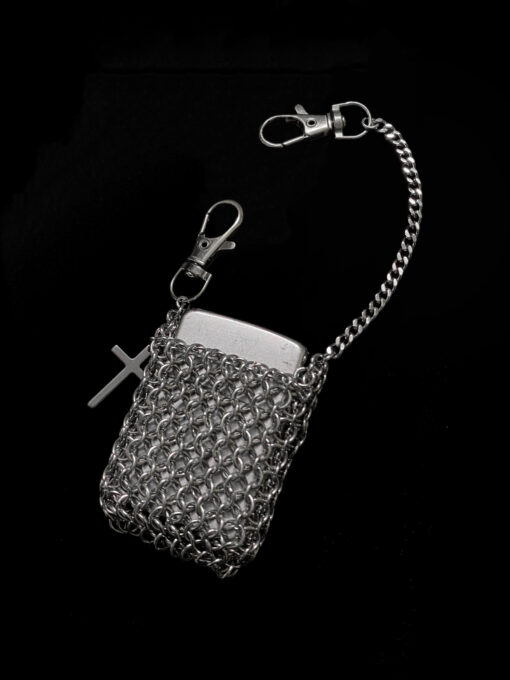
Chainmail Lighter Case for Zippo
£89,00
✔ Handmade by real artisans
✔ Designed for Zippo lighters
✔ Secure carabiner for daily carry
✔ Gothic metal aesthetic
Forging a Chainmail Zippo Case: An Experiment in Function, Wear, and Gothic Design
Table of ContentsWhy Are Zippo Lighters Restricted on Planes?General aviation rulesWhat travellers commonly doAre Zippo
Jan
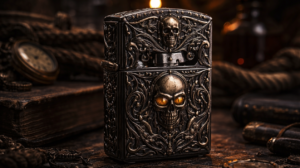
Zippo Lighter Case: A Complete Guide to Replacement, Custom & Vintage Zippo Cases
Table of ContentsWhy Are Zippo Lighters Restricted on Planes?General aviation rulesWhat travellers commonly doAre Zippo
Dec
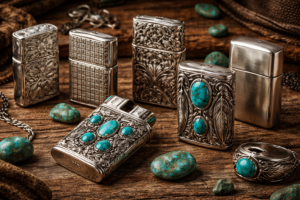
Silver Lighter Cover: Meaning, Materials & Why Sterling Silver Bic Lighter Cases Are Timeless
Table of ContentsWhy Are Zippo Lighters Restricted on Planes?General aviation rulesWhat travellers commonly doAre Zippo
Dec

Crusader Chainmail Armour: From Medieval Battlefields to Modern EDC
Table of ContentsWhy Are Zippo Lighters Restricted on Planes?General aviation rulesWhat travellers commonly doAre Zippo
Dec
