

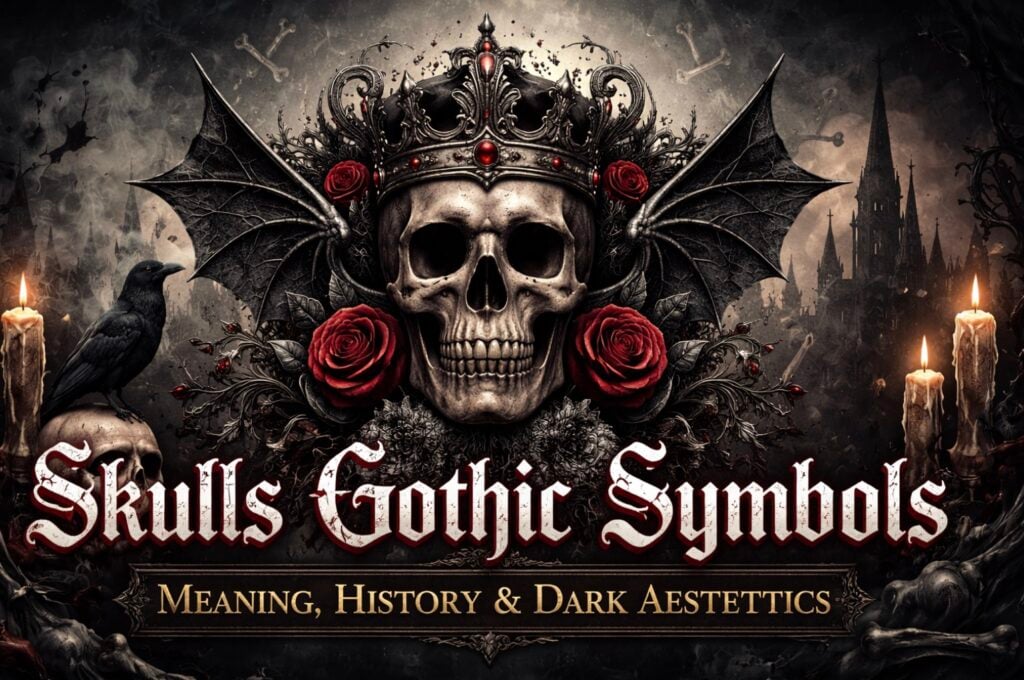
The skull is one of the most recognisable motifs in gothic symbolism. Across art, religion, literature and fashion, it has long represented mortality, reflection and the beauty of impermanence. Rooted in the memento mori tradition, skull imagery reminds us that life is fleeting, while also expressing rebellion, individuality and transformation in modern gothic culture.
In medieval Europe, skulls appeared in tomb sculptures, religious paintings and vanitas art as reminders of humility and spiritual reflection. Over time, this once sombre image evolved into something richer and more layered. In contemporary gothic aesthetics, the skull is no longer just a symbol of death. It also speaks to self-expression, defiance, inner strength and the allure of dark beauty.
This article explores the meaning, history and cultural significance of skull symbolism in gothic culture, and why it continues to resonate so strongly in fashion, art and alternative identity.
The Origins of Skull Symbolism in Gothic Culture
Skull Symbolism in Ancient and Medieval Traditions
Skulls have served as powerful reminders of mortality across many civilisations. In ancient traditions, they were often linked to the afterlife, spiritual passage and the mysteries of existence. In medieval Europe, however, the skull became especially prominent through the memento mori tradition, which encouraged people to remember the inevitability of death.
This symbolism appeared in religious art, church carvings, funerary sculpture and painted works designed to prompt reflection. The message was not simply one of fear, but of perspective. Human life was fleeting, earthly pleasures were temporary, and spiritual awareness mattered more than vanity or status.
Vanitas paintings later expanded this visual language by placing skulls alongside wilting flowers, extinguished candles, mirrors and hourglasses. Together, these objects formed a striking meditation on time, decay and the fragility of beauty.
The Evolution of Skull Imagery in Art
During the Renaissance and beyond, skull imagery became more refined and philosophical. Artists used skulls not only to confront viewers with death, but also to encourage contemplation about how life should be lived. In portraits and still lifes, the skull often served as a quiet counterbalance to luxury, youth or worldly success.
Over centuries, the meaning of the skull broadened. It remained tied to mortality, but also came to represent wisdom, truth and acceptance. This artistic and symbolic evolution helped lay the groundwork for the skull’s lasting role in gothic style, where darkness is often paired with elegance, introspection and emotional depth.
What Do Skulls Symbolise in Gothic Culture?
In gothic culture, skulls are far more than horror imagery or decorative motifs. They carry layered meanings that reflect the subculture’s fascination with mortality, beauty, melancholy and identity.
1. Mortality and the Fragility of Life
At its core, the skull remains one of the clearest symbols of human mortality. It reminds us that life is temporary and that beauty, youth and status do not last forever. In gothic culture, this is not necessarily pessimistic. Instead, it often reflects a deeper awareness of existence and a desire to live with honesty and intention.
2. Rebellion and Individualism
Skulls also became associated with rebellion through punk, rock and alternative fashion. In gothic style, they can signal nonconformity, independence and refusal to follow mainstream expectations. Whether worn as jewellery, printed on clothing or used in tattoos, the skull often communicates a bold personal identity.
3. Transformation and Renewal
Although the skull is linked to death, it can also symbolise change, renewal and spiritual transformation. In many symbolic traditions, endings are not final but part of a larger cycle. This makes the skull especially meaningful in gothic aesthetics, where decay and beauty often exist side by side.
4. Dark Beauty and Romantic Melancholy
One reason skulls remain so iconic in gothic culture is their ability to embody both darkness and elegance. Paired with roses, lace, crosses, moons or silver ornamentation, skull imagery becomes something more than macabre. It becomes atmospheric, emotional and visually poetic.
Key Types of Gothic Skull Symbols
Human Skull Symbols
The human skull is the most classic and recognisable form. It often represents mortality, courage, self-awareness and philosophical reflection. In gothic jewellery and visual art, it can feel stark, elegant or confrontational depending on the design.
Animal Skull Symbols
Animal skulls carry a different energy. They are often associated with instinct, primal power, wilderness and mysticism. In darker gothic and occult-inspired aesthetics, they can suggest a connection to nature, ritual or untamed forces.
Stylised and Artistic Skull Designs
Many modern gothic designs transform the skull into something more decorative or imaginative. Wings, roses, serpents, crystals, flames and filigree details are often added to create a more personal or romantic effect. These stylised interpretations retain the skull’s symbolic weight while allowing for greater creativity and individuality.
Skull Symbolism in Gothic Fashion and Art
Skulls in Gothic Jewellery
Skull rings, pendants, earrings and bracelets have long been staples of gothic fashion. Whether crafted in sterling silver, stainless steel or embellished with gemstones, skull jewellery creates a strong visual statement. It can feel dramatic, elegant, rebellious or deeply symbolic depending on how it is styled.
For many wearers, skull jewellery is not simply aesthetic. It reflects a personal connection to themes of mortality, resilience, freedom and self-definition.
Skull Imagery in Tattoos
Skull tattoos remain one of the most enduring motifs in alternative tattoo culture. In gothic-inspired designs, they are often combined with roses, ravens, snakes, gothic lettering or sacred imagery. These combinations allow the wearer to create something deeply personal, blending themes such as love, grief, survival, rebirth or inner strength.
Skulls in Alternative Fashion
Beyond jewellery and tattoos, skulls appear across clothing, accessories and runway fashion. They can be found in everything from distressed streetwear and band merchandise to romantic gothic garments and luxury design. Their enduring popularity comes from their versatility. A skull can feel raw and aggressive in one context, or refined and beautifully melancholic in another.
Skull Symbolism in Spiritual and Cultural Contexts
Skull Symbolism in Witchcraft and Mysticism
In mystical and occult traditions, skulls are often associated with spiritual transformation, hidden knowledge and the cycle of life and death. Rather than representing fear alone, they can serve as symbols of wisdom, ancestral connection and deeper awareness.
Within these contexts, the skull may be used to honour endings, acknowledge impermanence or reflect on the unseen dimensions of existence.
Skulls in Cultural Celebrations
Not all skull symbolism is sombre. In some cultures, skull imagery is used in celebratory and commemorative ways. The most widely recognised example is Mexico’s Day of the Dead, where colourful skull motifs honour loved ones who have passed and affirm the continuity between memory, death and life.
This reminds us that skull symbolism is not limited to darkness or fear. It can also express remembrance, affection and spiritual continuity.
Skulls in Religious Symbolism
In Christian art and symbolism, skulls have often been used to represent humility, repentance and the transience of earthly life. They appear in religious paintings, monastic imagery and depictions of saints engaged in contemplation. In this setting, the skull becomes a reminder that worldly things fade, while the soul and its moral path remain central.
Skull Symbolism in Modern Pop Culture
Today, skull imagery reaches far beyond traditional gothic spaces. It has appeared in pirate iconography, heavy metal, punk graphics, luxury fashion and internet culture. In each setting, its meaning shifts slightly. It may suggest danger, irony, rebellion, theatricality or dark humour.
Even the skull emoji now carries a wide range of meanings online, from literal death imagery to exaggerated reactions such as shock or laughter. This modern flexibility shows how adaptable the skull has become. Yet despite these new uses, its deeper symbolic associations with mortality, identity and transformation remain intact.
Why Skull Symbols Remain Popular in Gothic Style
Skulls remain central to gothic style because they combine visual impact with emotional and philosophical depth. They are instantly recognisable, yet never limited to a single meaning. A skull can represent mortality, courage, beauty, rebellion, grief, self-awareness or transformation all at once.
That complexity makes it especially powerful in gothic aesthetics, where symbolism matters as much as appearance. Skulls work effortlessly with silver, velvet, lace, black leather and romantic dark styling. They feel timeless rather than trend-driven, and personal rather than generic.
More importantly, skull motifs continue to resonate because they reflect something universal: the tension between life and death, beauty and decay, fear and freedom. That balance is exactly why skull symbolism remains such an enduring part of gothic culture.
Frequently Asked Questions About Skulls in Gothic Symbolism
What do skulls symbolise in gothic culture?
They commonly symbolise mortality, rebellion, individuality, transformation and the beauty found within darker aspects of life.
Why are skulls so popular in gothic fashion?
Because they are visually striking, symbolically rich and highly versatile. They can feel elegant, rebellious, philosophical or romantic depending on the design.
Do skulls always represent death?
Not necessarily. While death is a central meaning, skulls can also represent renewal, courage, self-awareness, spiritual reflection and transformation.
What do skulls mean in witchcraft or occult symbolism?
They are often linked to hidden wisdom, ancestral connection, spiritual rebirth and the natural cycle of life and death.
Are skulls only used in gothic culture?
No. Skull imagery appears across many cultures, religions and artistic traditions. Gothic culture has simply embraced it in a particularly distinctive and expressive way.
Final Thoughts
Skulls remain one of the most powerful and enduring symbols in gothic culture. Their meaning goes far beyond death alone. They speak to transformation, courage, impermanence, individuality and the strange beauty that can be found in darker themes.
From medieval memento mori imagery to contemporary gothic jewellery and fashion, the skull continues to evolve while retaining its symbolic force. For many people drawn to gothic aesthetics, it is more than a decorative motif. It is a reminder to live honestly, embrace complexity and find beauty where others may only see darkness.

Skulls in Gothic Symbolism: Meaning, History and Dark Aesthetics
Table of ContentsThe Origins of Skull Symbolism in Gothic CultureSkull Symbolism in Ancient and Medieval
Mar

Mercury (☿) Gothic Symbols: Meaning, Mythology, and Occult Influence in Gothic Culture
Table of ContentsThe Origins of Skull Symbolism in Gothic CultureSkull Symbolism in Ancient and Medieval
Mar
Ankh (☥) Gothic Symbol: Meaning, Origins, and Why the Ancient Egyptian Ankh Became an Icon in Goth Culture
Table of ContentsThe Origins of Skull Symbolism in Gothic CultureSkull Symbolism in Ancient and Medieval
Mar

Hobbiton Movie Set Review: Is New Zealand’s Famous Shire Experience Really Worth It?
Table of ContentsThe Origins of Skull Symbolism in Gothic CultureSkull Symbolism in Ancient and Medieval
Mar
World Goth Day: History, Meaning, and How the Global Goth Community Celebrates Goth Day
Table of ContentsThe Origins of Skull Symbolism in Gothic CultureSkull Symbolism in Ancient and Medieval
Mar
Whitby Goth Weekend (WGW): The Legendary Gothic Festival That Transforms Whitby Each Year
Table of ContentsThe Origins of Skull Symbolism in Gothic CultureSkull Symbolism in Ancient and Medieval
Mar
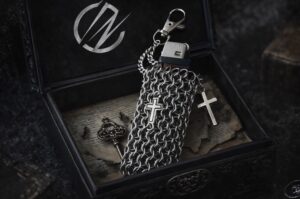
Crusader Chainmail Lighter Armour – Now Up to 20% Off | A Distinctive Gothic Gift for Birthdays, Father’s Day, and Custom Brand Orders
Table of ContentsThe Origins of Skull Symbolism in Gothic CultureSkull Symbolism in Ancient and Medieval
Mar

How to Clean and Care for Stainless Steel Chainmail Jewelry (Without Tarnish Worries)
Table of ContentsThe Origins of Skull Symbolism in Gothic CultureSkull Symbolism in Ancient and Medieval
Feb
