

Bats have captivated gothic culture for centuries, appearing in horror literature, dark fashion, alternative art, and tattoo designs. These nocturnal creatures evoke a powerful sense of mystery, darkness, and the unknown—qualities that align perfectly with the gothic fascination for the shadowy side of life. Their silent flight through the night and ability to navigate complete darkness make them natural emblems of introspection and hidden depths.
The strongest connection comes from vampire mythology. Bats became synonymous with the undead thanks to Bram Stoker’s 1897 novel Dracula, where the count shapeshifts into a bat. This cemented their role in gothic storytelling as symbols of supernatural power and terror. Today, gothic bat symbols thrive in everything from minimalist silhouettes on clothing to intricate jewelry and tattoos. This article explores the core meanings, literary roots, artistic expressions, fashion relevance, cultural contrasts, and modern appeal of gothic bat symbolism.
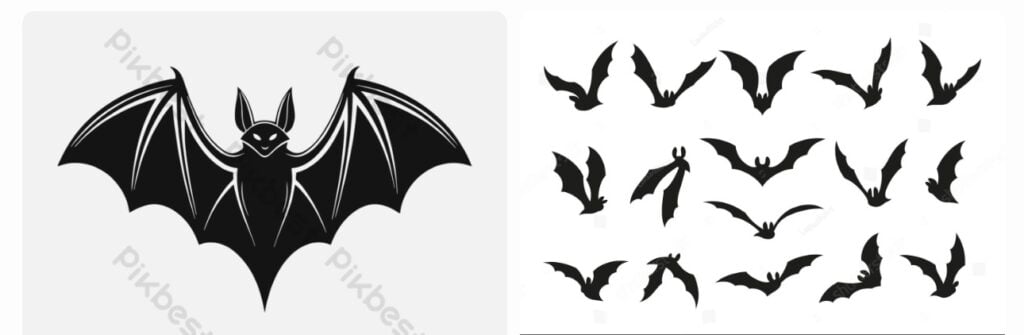
What Does the Bat Symbol Mean in Gothic Culture?
In gothic aesthetics, the bat carries layered, evocative meanings that go far beyond Halloween decorations. Here are the core interpretations:
1. Mystery and Darkness Bats are strictly nocturnal, thriving where light fades. In gothic culture, darkness symbolizes introspection, hidden emotions, and the unknown—spaces where true self-discovery happens. Their echolocation represents navigating life’s uncertainties with instinct and inner vision.
2. Transformation and Rebirth Bats emerge from caves at dusk, mirroring cycles of death and rebirth. Spiritually, they guide personal transformation: letting go of old patterns and embracing new beginnings. As one source notes, “Bats can be seen as a reminder that new opportunities or transitions are approaching,” encouraging trust in the unknown.
3. The Embrace of the Night Gothic culture romanticizes moonlight, shadows, and midnight landscapes. Bats embody this nocturnal beauty, turning the night into a realm of liberation rather than fear.
4. Supernatural and Occult Associations European folklore linked bats to witches, demons, and dark magic. Shakespeare even included “wool of bat” in Macbeth’s witch brew. In Christian tradition, they were deemed “unclean” and tied to evil spirits—associations that later fueled gothic horror.
These meanings make the bat a perfect gothic symbol: beautiful yet intimidating, misunderstood yet powerful.
>>> Skulls in Gothic Symbolism: Meaning, History and Dark Aesthetics
The Connection Between Bats and Gothic Literature
No creature is more entwined with gothic storytelling than the bat—thanks largely to vampires.
Bram Stoker’s Dracula Stoker popularized the vampire-bat transformation, drawing from Slavic folklore but amplifying it for Victorian readers. Count Dracula crawling down castle walls “like a bat” became an iconic image of supernatural dread. Bats here represent animalistic instincts, seduction, and the blurring of human and monster.
Victorian Gothic Fiction Earlier writers used bats as atmospheric devices to heighten fear and decay—flitting through ruined castles or foggy graveyards to signal impending doom.
Horror Cinema and Gothic Pop Culture From early films to modern gothic rock (think Siouxsie and the Banshees or The Cure), bat imagery evokes dark romanticism. The result? Bats became shorthand for supernatural horror and the seductive allure of the night.
>>> Mercury (☿) Gothic Symbols: Meaning, Mythology, and Occult Influence in Gothic Culture
Bats in Gothic Art and Visual Design
Gothic artists love the bat’s dramatic silhouette and symbolic versatility. Common interpretations include:
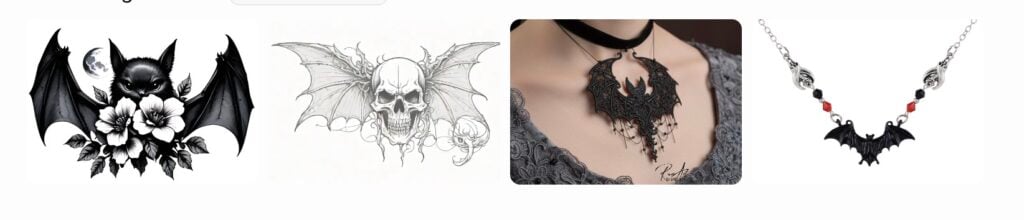
1. Bat Silhouettes Clean, minimalist black shapes dominate gothic graphic design—simple yet instantly recognizable.
2. Winged Motifs Bat wings adorn skulls, hearts, or family crests, blending mortality with flight and freedom.
3. Flying Bat Patterns Repeated in architecture-inspired prints, tattoo flash, and fabric designs.
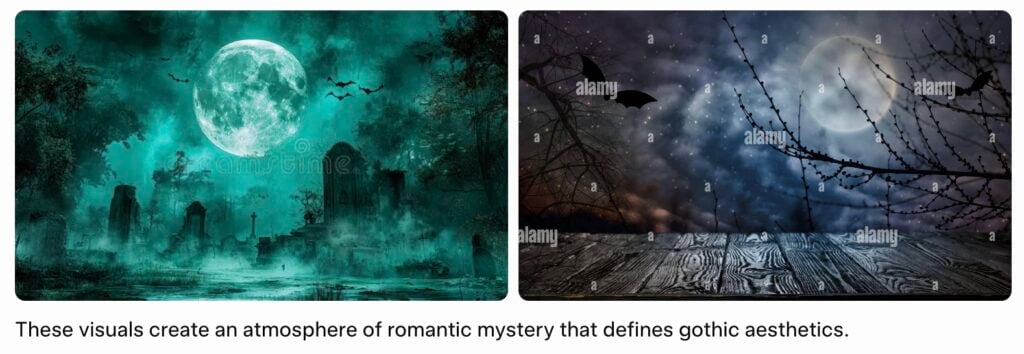
4. Bat and Moon Compositions One of the most iconic pairings: a lone bat against a glowing full moon captures pure gothic melancholy.
Bat Symbolism in Gothic Fashion and Tattoos
Bats appear everywhere in alternative style because they perfectly match the subculture’s vibe.
You’ll find them on:
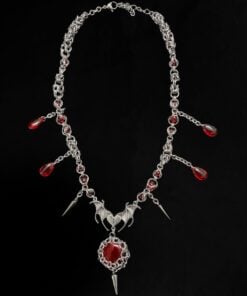
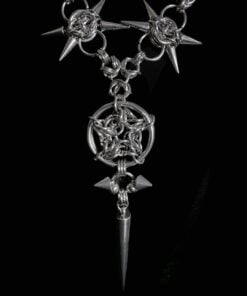
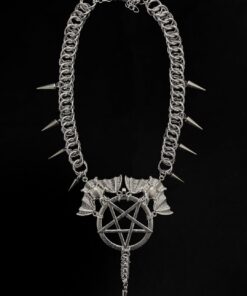
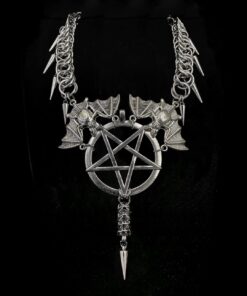
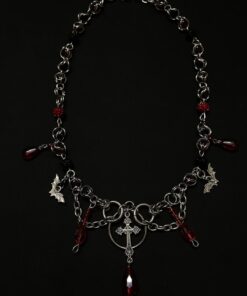
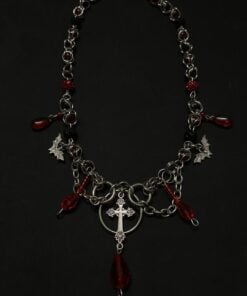
- Gothic jewelry (bat-wing pendants, crystal bat necklaces)
- Clothing prints and patches
- Accessories like hair clips or coffin-shaped bags
>>> Moon Gothic Symbols: Meanings, Moon Lore, and the Dark Beauty of Lunar Imagery
In tattoo culture, bat designs carry deeply personal meaning: transformation, embracing darkness, and freedom from societal norms. A bat tattoo often represents “a journey through darkness into personal growth”—navigating fears to emerge stronger. Traditional styles pair bats with moons, roses, or skulls for added gothic flair.

Cultural Interpretations of Bat Symbolism
Western Interpretations In Europe and Christian folklore, bats symbolized death, witchcraft, vampires, and supernatural evil. Medieval superstition and gothic literature amplified these dark associations.
Eastern Interpretations Contrast this with Asian cultures, where bats are overwhelmingly positive. In China, “bat” (fú) sounds like “luck” or “fortune,” making the creature a traditional symbol of prosperity, longevity, and happiness since the Han Dynasty. Five bats represent the Five Blessings: virtue, health, longevity, wealth, and peaceful death. Bats appear upside-down in art because “happiness has arrived.”
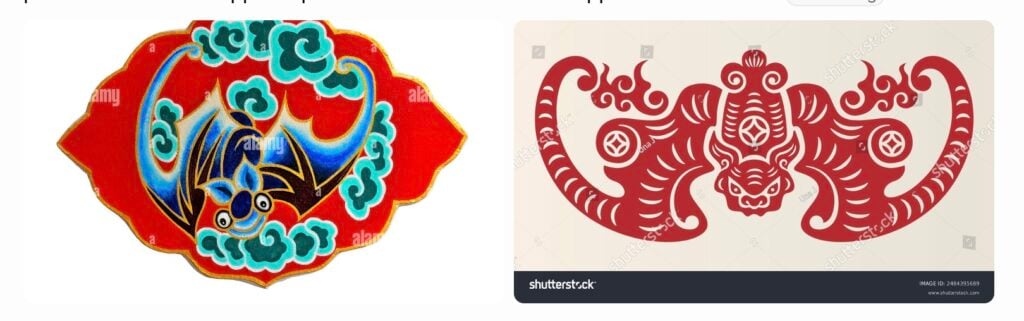
This stark contrast shows how one animal can mean terror in one culture and joy in another—yet both views enrich gothic appreciation of duality.
Why Bats Resonate with Gothic Culture
Bats mirror core gothic values:
- Beauty in darkness
- Fascination with mortality
- Romanticized melancholy
- Appreciation for the mysterious
Both bats and goth subcultures have been misunderstood and stereotyped—bats as disease carriers or demons, goths as depressed or dangerous. In reality, bats are vital to ecosystems, and goths celebrate life’s deeper, richer shades. As one conservation article beautifully puts it, goths and bats share “a kindred appreciation for the dark.”
Modern Uses of Gothic Bat Symbols
Today, bat imagery evolves while staying true to its roots. You’ll see gothic bat symbols in:
- Jewelry lines and fashion brands
- Vampire and fantasy media (Netflix’s Wednesday, Tim Burton films)
- Tattoo studios
- Home décor (wall art, pillows, candles)
- Alternative clothing collections
The symbol continues to represent night, mystery, and dark romantic aesthetics—now more empowering than ever.
>>> Raven Gothic Symbolism: Meaning, Myth, and the Dark Beauty of Ravens in Gothic Culture
Frequently Asked Questions About Gothic Bat Symbols
What symbols are associated with bats in gothic culture? Bats pair beautifully with moons, skulls, coffins, roses, ivy, and crosses—creating layered compositions of romance, death, and rebirth.
What is the symbolism of a bat? Bats represent transformation, mystery, rebirth, nocturnal power, and the embrace of hidden aspects of self.
What do bats represent in gothic art? Supernatural imagery, the romanticism of darkness, and gothic fascination with night and mortality.
Are bats always negative symbols? No. While Western folklore ties them to darkness or evil, many cultures (especially Chinese) view them as symbols of luck and prosperity.
The Enduring Power of Gothic Bat Symbolism
Bats remain one of the most enduring icons in gothic imagery. Their nocturnal nature, vampire mythology ties, and mysterious silhouette make them ideal for the darker side of art and fashion. Far from pure fear, gothic bat symbolism celebrates transformation, individuality, and the beauty found within darkness.
For anyone drawn to gothic aesthetics, bats are more than creatures of the night—they are emblems of the mysterious, resilient soul of gothic culture itself.
Whether you wear a bat necklace, ink a tattoo, or simply admire a silhouette against the moon, you’re connecting to centuries of dark romantic tradition. Embrace the night.
Gothic Bat Symbolism: Meaning, History, and Dark Aesthetics in Gothic Culture
Table of ContentsWhat Does the Bat Symbol Mean in Gothic Culture?The Connection Between Bats and
Mar

Skulls in Gothic Symbolism: Meaning, History and Dark Aesthetics
Table of ContentsWhat Does the Bat Symbol Mean in Gothic Culture?The Connection Between Bats and
Mar

Mercury (☿) Gothic Symbols: Meaning, Mythology, and Occult Influence in Gothic Culture
Table of ContentsWhat Does the Bat Symbol Mean in Gothic Culture?The Connection Between Bats and
Mar
Ankh (☥) Gothic Symbol: Meaning, Origins, and Why the Ancient Egyptian Ankh Became an Icon in Goth Culture
Table of ContentsWhat Does the Bat Symbol Mean in Gothic Culture?The Connection Between Bats and
Mar

Hobbiton Movie Set Review: Is New Zealand’s Famous Shire Experience Really Worth It?
Table of ContentsWhat Does the Bat Symbol Mean in Gothic Culture?The Connection Between Bats and
Mar
World Goth Day: History, Meaning, and How the Global Goth Community Celebrates Goth Day
Table of ContentsWhat Does the Bat Symbol Mean in Gothic Culture?The Connection Between Bats and
Mar
Whitby Goth Weekend (WGW): The Legendary Gothic Festival That Transforms Whitby Each Year
Table of ContentsWhat Does the Bat Symbol Mean in Gothic Culture?The Connection Between Bats and
Mar
Crusader Chainmail Lighter Armour – Now Up to 20% Off | A Distinctive Gothic Gift for Birthdays, Father’s Day, and Custom Brand Orders
Table of ContentsWhat Does the Bat Symbol Mean in Gothic Culture?The Connection Between Bats and
Mar
