

In the rich tapestry of Greek mythology, few figures command as much awe and reverence as Zeus, the mighty greek god zeus. As the king of the gods reigning supreme from the lofty peaks of Mount Olympus, he embodies the forces of the sky, thunder, and justice. His stories, woven into the fabric of greek mythology zeus, have inspired generations, from ancient poets to modern storytellers. But beyond his thunderous personality lies a collection of powerful symbols for zeus that encapsulate his divine authority and cosmic influence. These emblems – from the crackling lightning bolt to the soaring eagle – not only highlight his dominion but also offer a window into the ancient Greek worldview. In this exploration, we delve into the primary symbols for zeus, uncovering their origins, meanings, and lasting legacy.
The Significance of Symbols in Ancient Greek Religion
Ancient Greeks relied heavily on symbols to bridge the mortal and divine realms, making the intangible attributes of their gods more accessible and relatable. Deities like those in the pantheon of greek gods and goddesses zeus were not distant abstractions; they were vivid presences in daily life, invoked through rituals, art, and natural phenomena. Visual icons and elements from the environment transformed abstract powers into tangible representations, fostering a deeper spiritual connection.
For ancient greek zeus, these symbols were particularly potent, revealing his multifaceted role as ruler, protector, and enforcer of order. They underscored his command over the heavens and earth, reminding worshippers of the delicate balance between chaos and harmony. By examining the symbols for zeus, we gain insight into how the Greeks perceived authority, nature, and the supernatural.
The Main Symbols for Zeus
The Lightning Bolt – The Ultimate Emblem of Power
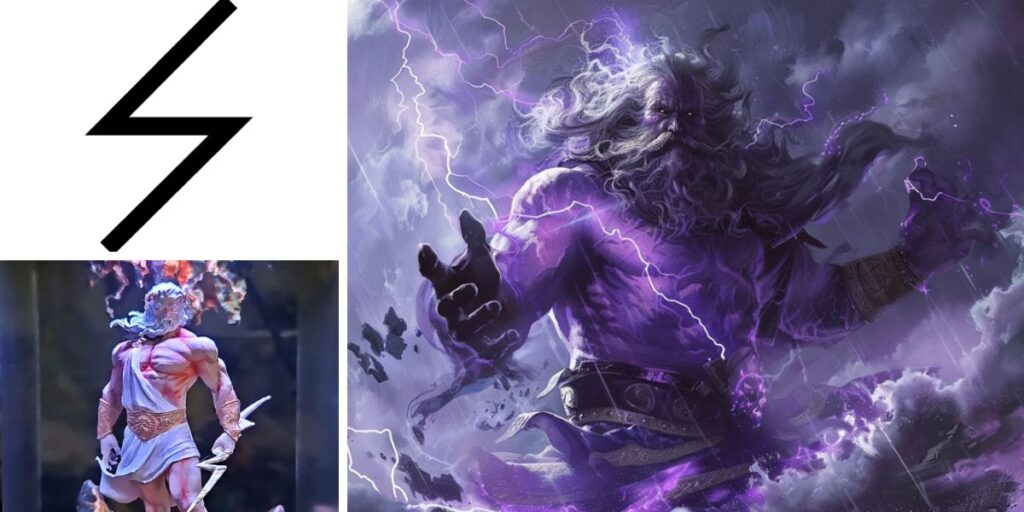
No discussion of symbols for zeus is complete without the iconic lightning bolt of Zeus, his most recognisable and fearsome weapon. Known as the zeus thunderbolt symbol or zeus lightning bolt symbol, this jagged streak of celestial fire was forged by the Cyclopes – the one-eyed giants – as a token of gratitude after greek god zeus liberated them from Tartarus during the Titanomachy.
In mythology, the lightning bolt of zeus symbolised unyielding divine justice, swift retribution, and unparalleled authority. With a mere flick, Zeus could shatter mountains or punish the wicked, as seen in tales where he struck down tyrants or wayward gods. This emblem transcended mere destruction; it represented the raw energy of the storm and the god’s role in maintaining cosmic order.
Today, the zeus lightning bolt symbol endures in popular culture, adorning everything from symbols for zeus tattoos to superhero logos. It evokes instant recognition of power and intensity, a testament to how ancient motifs continue to electrify modern imaginations.



The Eagle – Messenger of the Sky
Soaring high above the clouds, the eagle stands as another profound zeus symbol, embodying his mastery over the aerial domain. In ancient Greek art, this majestic bird is frequently depicted perched on Zeus’ sceptre or flying beside him, serving as his divine messenger and scout.
The eagle’s attributes – keen vision, immense strength, and boundless freedom – mirror Zeus’ own qualities. It symbolised foresight, victory, and the ability to transcend earthly limitations. Temples dedicated to zeus god symbol often featured eagle motifs, and in zeus greek god painting, the bird’s piercing gaze reinforces the god’s watchful omnipresence.
As a zeus emblem, the eagle bridges the heavens and earth, reminding us of Zeus’ role in delivering omens and enforcing his will from afar.

The Oak Tree – Strength and Endurance
Rooted deeply in sacred groves, the oak tree emerges as a enduring symbol of Zeus, particularly at the ancient oracle of Dodona in Epirus – one of Greece’s oldest sanctuaries. Here, priests interpreted the rustling leaves of the zeus oak tree as divine prophecies, linking the god’s voice to the whispers of nature.
This sturdy tree represented resilience, wisdom, and unbreakable stability, qualities essential to Zeus’ reign amid the chaos of zeus greek mythology gods. The oak’s longevity and might paralleled the god’s eternal vigilance, forging a profound connection between the natural world and divine intent. In rituals, oak leaves crowned victors, echoing Zeus’ favour upon the strong and just.
Other Powerful Representations of Zeus
Beyond the core trio, additional icons enriched Zeus’ imagery. His throne, elevated on Mount Olympus, signified absolute sovereignty over gods and mortals alike, a seat from which he dispensed fate. Paired with the sceptre – a zeus god symbol of command and equity – it underscored his judicial prowess.
The Aegis, a protective shield often adorned with Medusa’s head, was shared with Athena but originated as a zeus emblem of invincibility and warding off evil. Golden crowns or laurel wreaths further crowned his depictions, symbolising triumph and divine honour.
-
![Zeus Lamp - Greek Mythology]() Zeus Lamp - Greek Mythology
£85,00
Zeus Lamp - Greek Mythology
£85,00

Zeus and Crete: The Birthplace of the Thunder God
The island of Crete holds a special place in the greek mythology zeus story, as the clandestine birthplace of the thunder god. To protect infant Zeus from his father Cronus’ cannibalistic wrath, his mother Rhea hid him in a cave on Mount Ida or Mount Dikte. Nurtured by nymphs and the goat Amalthea, young zeus and crete forged an indelible bond.
This Cretan origin influenced local worship, where symbols like the eagle (native to the island’s rugged skies) and lightning gained prominence. Ancient sanctuaries in zeus crete blended Minoan traditions with Olympian lore, enriching the god’s iconography and highlighting regional variations in ancient greek zeus devotion.
Zeus in Art and Mythology
Zeus’ symbols shine brightest in the epic narratives of greek mythology gods zeus. His victory over the Titans, hurling thunderbolts to secure Olympus, cemented the lightning bolt of zeus as a weapon of liberation. Judgements like the punishment of Prometheus or the weighing of souls in the Trojan War showcased his scales of justice.
His amorous adventures, producing heroes like Heracles and Perseus, tied into themes of fertility, with the oak symbolising prolific growth. Iconic works, such as the colossal Statue of Zeus at Olympia – one of the Seven Wonders – portrayed him enthroned with eagle and sceptre. Zeus greek god painting from vases to frescoes vividly captured these motifs, immortalising the greek mythology zeus story for posterity.

Modern Meanings and Symbolism of Zeus Today
In contemporary society, symbols for zeus resonate anew. The lightning bolt adorns symbols for zeus tattoos, signifying personal empowerment and resilience amid life’s storms. Eagles grace national emblems and corporate logos, evoking leadership and vision.
Literature, films like Clash of the Titans, and video games reimagine Zeus, blending ancient zeus symbol with modern heroism. Even in spirituality, these icons inspire reflections on inner strength and ethical authority, proving the zeus emblem‘s timeless adaptability.
Conclusion – The Eternal Power of Zeus’ Symbols
From the electrifying lightning bolt of zeus to the steadfast zeus oak tree, the symbols for zeus encapsulate the essence of the king of gods greek mythology. They reflect not just power and justice, but a profound harmony between humanity, nature, and the divine.
Delving into these emblems enriches our appreciation of greek mythology zeus, illuminating ancient wisdom that still sparks curiosity today. In an era of fleeting trends, the image of Zeus – thunder in hand, eagle at side – endures as a beacon of enduring leadership and cosmic wonder.
